Final Goodbyes of 2012

As the year comes to a close, it’s fitting to remember those who’ve gone but can’t, or shouldn’t be, forgotten.

.

Daniel Inouye – Like many Japanese-Americans of his generation, he was reviled, discriminated against, locked away into concentration camps, looked down upon. And like many, to prove his loyalty to his country, he went to war. In Inouye’s case, he suffered, soldiered on and became an honest-to-God American, Medal-of-Honor-winning hero. The story goes that he went into a San Francisco barber shop on his way home, still wearing the uniform of an Army captain (with one sleeve pinned up because he’d lost an arm in the Italian campaign) and the barber refused to cut his hair because he was Japanese. A mark of shame on my hometown. Inouye became the first Asian-American member of the House, and first in the Senate. He died as the most senior member of Congress. He was steadfast in his principles and admired for his humanity.

Obit Inouye.JPEG-0edf2

.

Johnny Otis – Brilliant and revolutionary bandleader, showman, musician, developer of talent. ‘Hand Jive’ anyone?

johnny-otis-good-lov

.

Etta James – A singer who can get you up dancing and break your heart at the same time. Coincidentally, one of Johnny Otis’ great discoveries.

etta-james1

.

Joe Paterno – His players practically worshiped him but his reputation will be forever linked and, therefore, sullied by his connection to a sexual abuse scandal centered around a former assistant.

joe-paterno-6ebb6a6e86074330

.


Earl Scruggs – A giant. A legend. A pioneer. A person who, defying all odds, brought soulfulness to the banjo.

earl-scruggs-photocredit-nashvilleportraits-com_

.

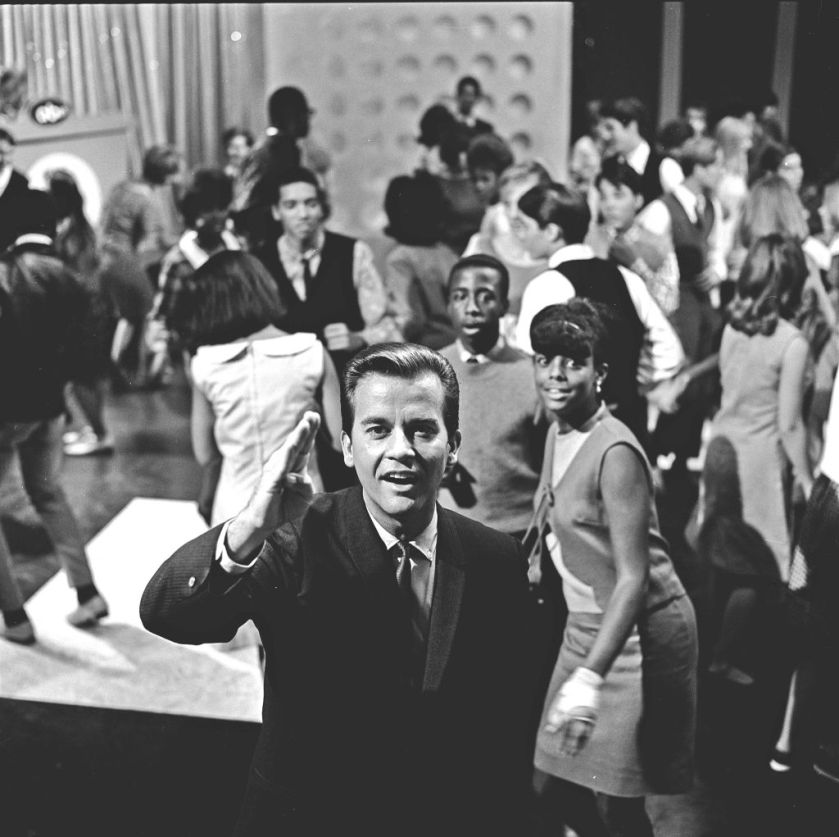
Dick Clark – Forget the new year’s eve caricature he became. He broke ground and he sincerely loved teenagers and their music.
Aqzm_lhCIAArCnX.jpg-large

.

Levon Helm – Listen to him sing. Read his lyrics. You can’t mistake him for anybody else.

Legendary musician Levon Helms dies

.

Mike Wallace – The number-one case in point for this axiom: fearless journalists piss powerful people off.

wallacex-superlarge

.

Maurice Sendak – He turned a very uncertain and unhappy childhood into art adored by millions of children and adults alike.

60_OT_Sendak_1280x960

.

Carlos Fuentes – Great writer of brutally honest fiction.

Carlos+Fuentes-08

.

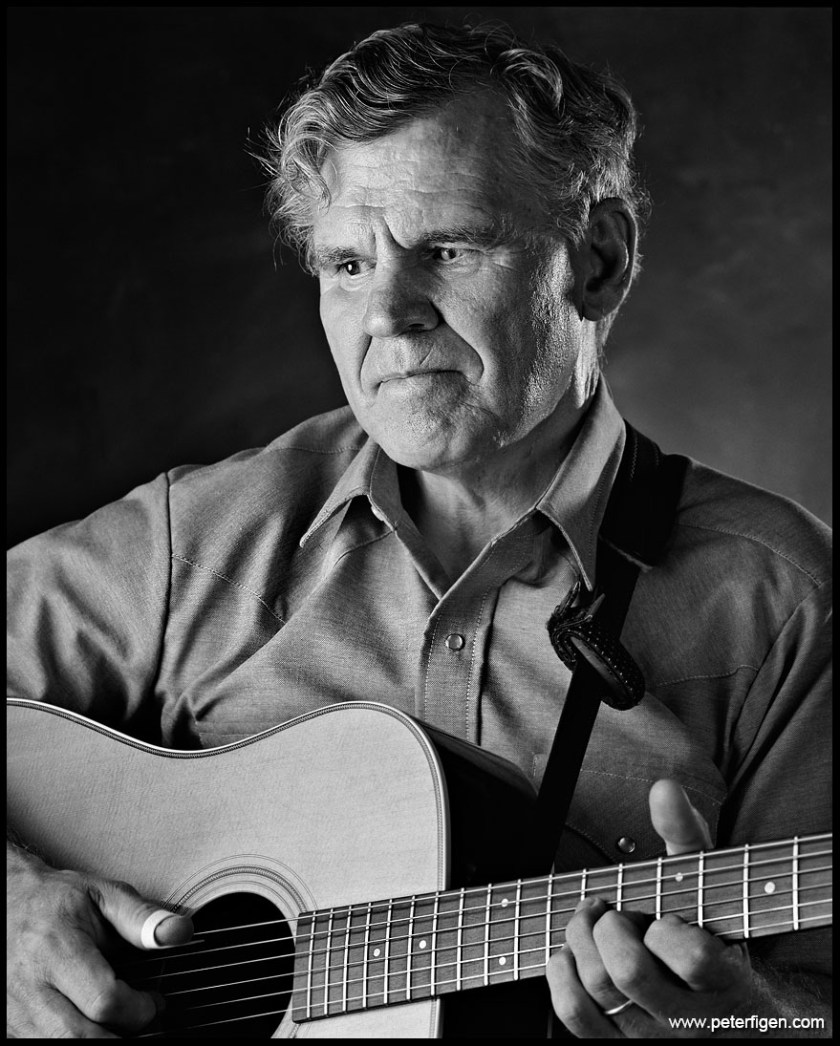
Doc Watson – Changed the lives of thousands of musicians and maybe millions of fans with his clear and honest singing about the lives of real people.
Doc Watson

.

Rodney King – Beaten by LA cops, who were filmed doing it. All holy hell broke loose when they were acquitted. Then, in all sincerity, Rodney King asked his townsfolk to get along and stop killing each other. For his efforts, he was turned into a national joke. He deserved better.

images

.

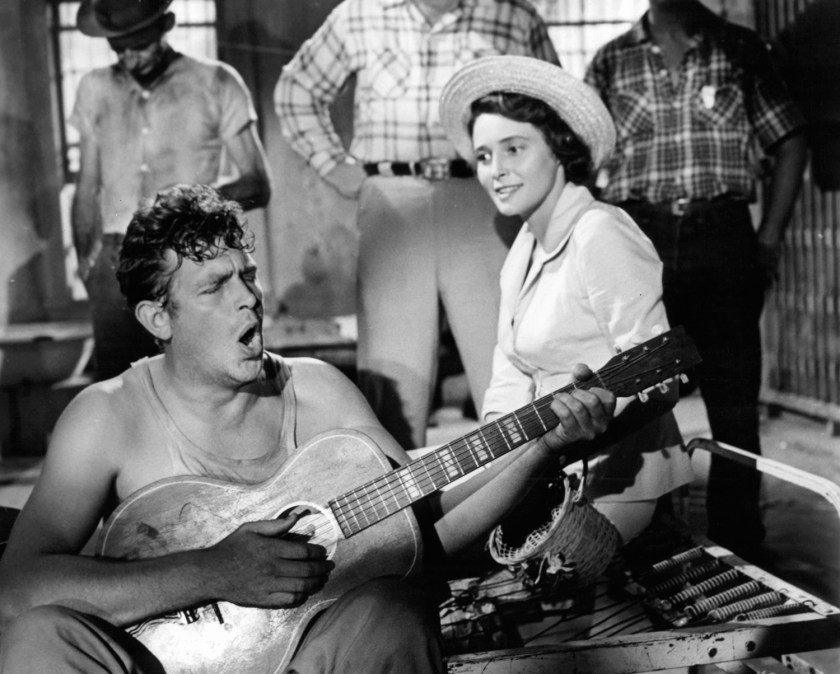
Andy Griffith – On popular TV shows for, like, 50 years but he still died an underestimated and underappreciated actor.
Andy Griffith And Patricia Neal In 'A Face In The Crowd' 1/1/1957

.

Ernest Borgnine – Played honest-to-God working-class American men with gravity and honesty. They don’t make guys like him or movies like that anymore, to our great loss.

ernest borgnine - marty 1955

.

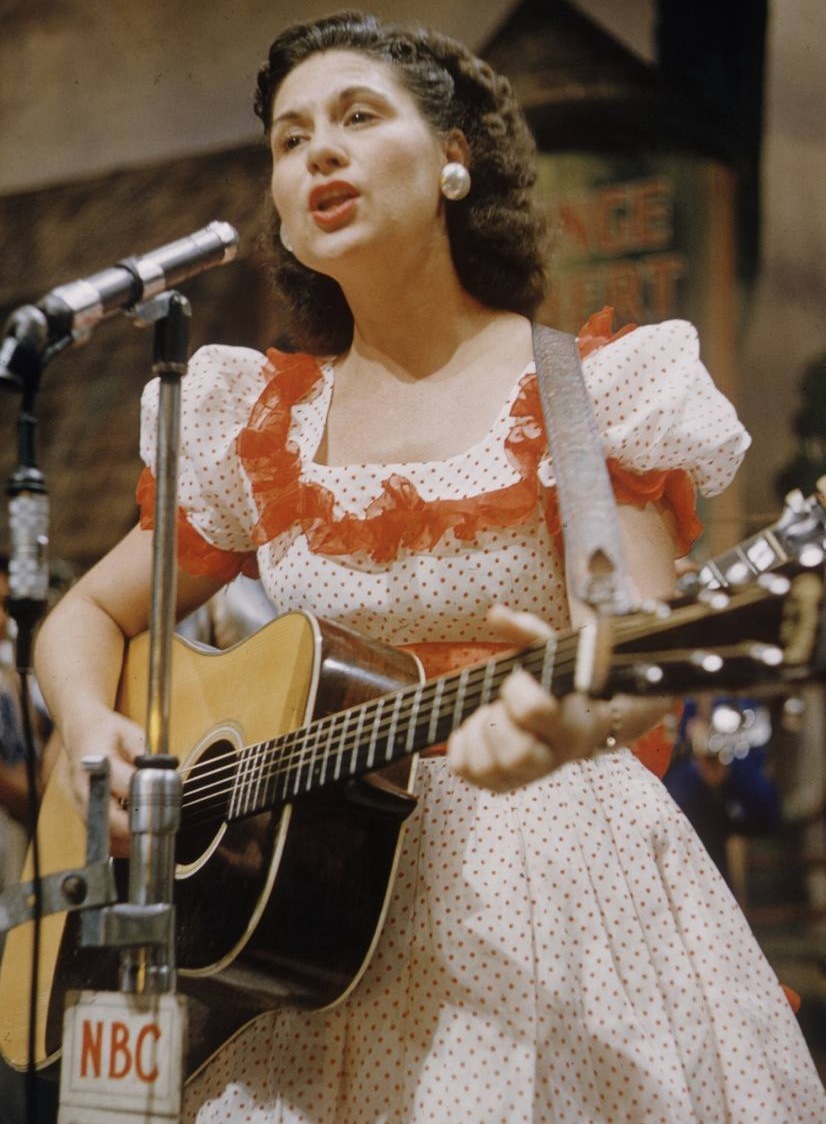
Kitty Wells – Raw and honest voice. A trailblazer for women in music. Ran her own life and her own career her way. Also a beautiful, generous and gracious human being.
kitty_wells

.

Sally Ride – Terms like “role model” and “hero” get thrown around like nickels these days. I just wish kids knew less about people like Britney Spears and Lindsey Lohan and a whole lot more about people like Sally Ride.

Sally_Ride,_America's_first_woman_astronaut_communitcates_with_ground_controllers_from_the_flight_deck_-_NARA_-_541940

.


Neil Armstrong – The first line of every single obituary of Neil Armstrong? He was the first man to set foot on the moon. Do you need a second sentence? Every one my age or older remembers the precise moment.

134088-buzz-aldrin

.

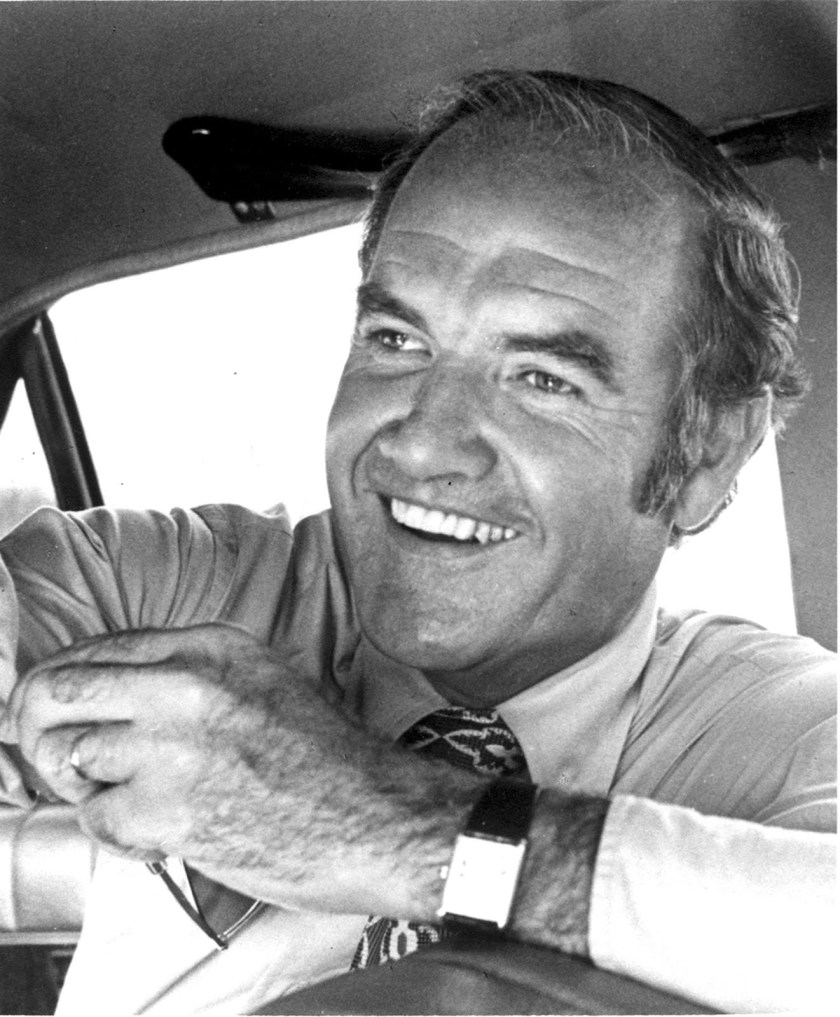
George McGovern – A war hero who wanted to end the useless and wasteful Vietnam War. As a result, he was chewed up by the Nixon campaign machine and made to look weak, unmanly. He told the truth.
0605004_7

.

Margaret DuPont – Graceful, smart, tough as nails. Was she the first American female sports star? Many owe her a great debt of gratitude for making the model many now trade upon.

image.img

.

Marvin Miller – Created major league baseball as we now know it. Helped players stand up to the organized servitude that was baseball. Hated by many. Hated.

AP CORRECTION OBIT MILLER BASEBALL S BBO FILE USA NY

.

Hector Camacho – Grew up tough in Spanish Harlem. Became successful, rich, famous. Never lost the chip on his shoulder or need to live wild. Ended bad, as it had to, by a bullet to the head.

Hector-Camacho-Wallpaper

.

Dave Brubeck – His iconic ‘Take Five’ may be the most recognized jazz song of all time. His bands were tight. His piano was beautiful. He represented his era well.

dave-brubeck-l-and-gerry-mulligan-r-at-the-monterey-jazz-festival-by-nat-farbman-1958

.

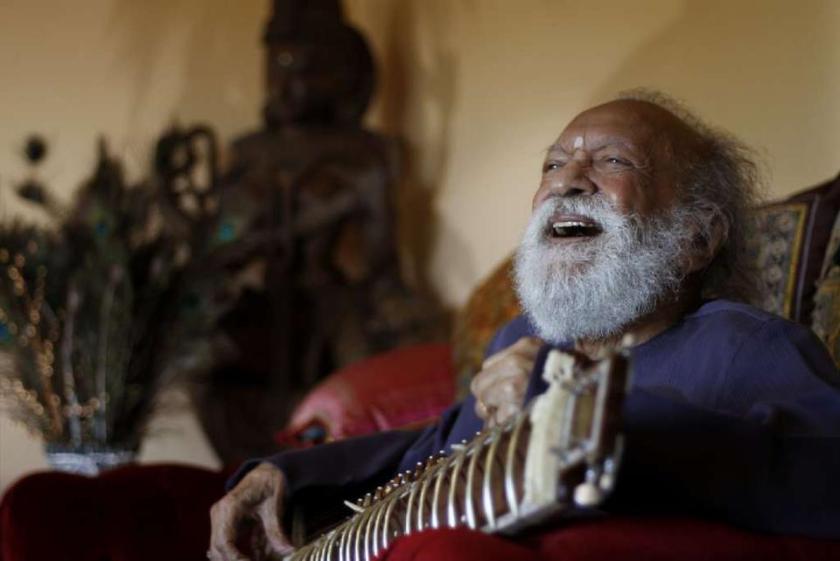
Ravi Shankar – Classically-trained. Spiritual. A bridge between very different cultures.
533488_10151281153733010_1198845992_n

Bars I’ve Known

cocktails_Wallpaper__yvt2

I’m not much of a drinker anymore, but at one point in life, my social world orbited elliptically around bars. Here, a remembrance of some.

photo0000002

Gil & Frank’s Mayflower (the site, above), Potrero Hill, San Francisco: This was a bar of working-class regulars who would arrive after work, mostly in and around the then-active docks, and stay until closing almost every weeknight. “Happy birthday to you” was on the jukebox. I once saw Art, the regular bartender, slap a guy for ordering a blender drink. Yeah, that kind of bar. Gone now.

01-16-09_16131

Murphy’s Tavern (site, above), Philadelphia: I lived a block away. Rolling Rocks were $1. Bring a five and have quite an evening. Bring a twenty and be a king. One of the bartenders, Murphy’s son-in-law, used his shiny steel hand/hook to open bottles. Murphy, whom everyone called Murph, used expressions like “See ya’ in church, boss,” as he slugged guys on the shoulder. He would walk all young ladies out of the bar when they left to make sure no one lurked outside intending to do them harm. A must in my West Philly neighborhood. Now a burger joint, I hear.

the_dubliner2

The Dubliner (above), 24th Street, San Francisco: A good joint. They sponsored our softball team for many years and we more than repaid the investment by making it our post-game clubhouse. Still going strong, with a new generation of bad softball players.

3091087515_9611735700_b

Tosca (above), Columbus Avenue, San Francisco: One of San Francisco’s most beloved institutions. There is always a great mix of people here, businesspeople, actors, musicians, politicians. I urinated next to San Francisco’s former mayor, and now California’s lieutenant governor, Gavin Newsom, there. Funny man. But a highlight for me was one night when Lauren Hutton, who really is radiantly beautiful, sat between me and my friend Fish and talked with us for hours. The jukebox has a beautiful selection of arias. Still very much open, thank God.

P3260019

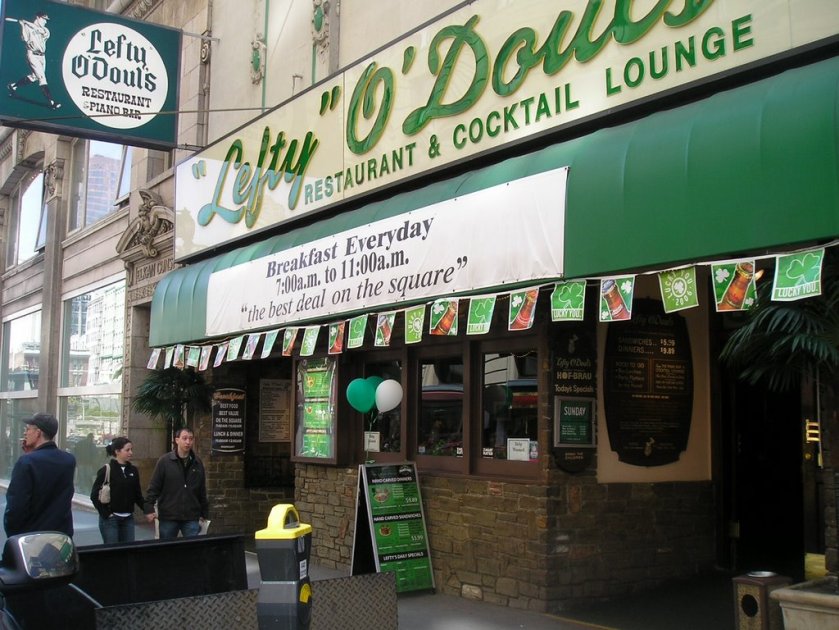
Lefty O’Doul’s (above), Geary Street, near Union Square, San Francisco: They used to have a guy named Al Rik playing goofy old tunes on the piano in the front. Corny and old-fashioned, even 35 years ago, when I first ventured inside. The hof brau will slice you up some fresh turkey, roast beef or ham any hour they’re open. A must-stop. Open right this minute. Go.

8315

The Mauna Loa (above), Fillmore Street, near Union Street, San Francisco: Owned by an old high school teacher. When some of my friends visit, it’s still a place we always stop, out of respect if nothing else.

bilde

Satisfaction (above), Durham, North Carolina: The bar was brand new when they sponsored our summer softball team, which tells you something about its longevity. I can still remember some of the songs we’d regularly play on the jukebox after games. You don’t want to know. My hand to God, a teammate used to light potato chips with her cigarette lighter, then put them out on her tongue. Not saying it was smart but it was, you know, something to do. Smoking very much allowed in tobacco country. Open and, I hear, thriving.

guide_irishpub1

The Irish Pub (above), Philadelphia: I have very fond memories of this place. I’d invariably meet or run into wonderfully fun people there. I remember laughing all the time amidst happy and boisterous crowds. Sadly, I don’t know the fate of this place.

4217713676_b72e12840e_z

Savoy Tivoli (above), North Beach, San Francisco: A classic North Beach hangout on upper Grant. Pool tables. Outdoor tables. Good bar. A great mix of people, some reading books they’ve just purchased at City Lights, couples on dates, groups of guys getting together after work to hang out and tell each other lies, some people just stopping to smell the roses. Open.

The Christmas Season(s)

cokelore_santa_1951

How lucky we Americans are, especially at this time of year. We have two significant holidays happening simultaneously and, by strange coincidence, they both have the same name, Christmas.

One Christmas is a mass-market, secular holiday designed to stimulate the economy, ushered in by a nationally-televised parade on Thanksgiving. We gather, as family and friends, feast, give each other gifts, travel, buy things, see the Nutcracker or A Christmas Carol. We dress up, go out, have company parties. This version of the Christmas holiday is centered around the mall as temple, with Santa Claus (above, with the special Christmas holiday communion beverage) our patron saint, shopping our national ritual.

Secular Christmas is open to people of all faiths, given adequate creditworthiness.

DSCN2561

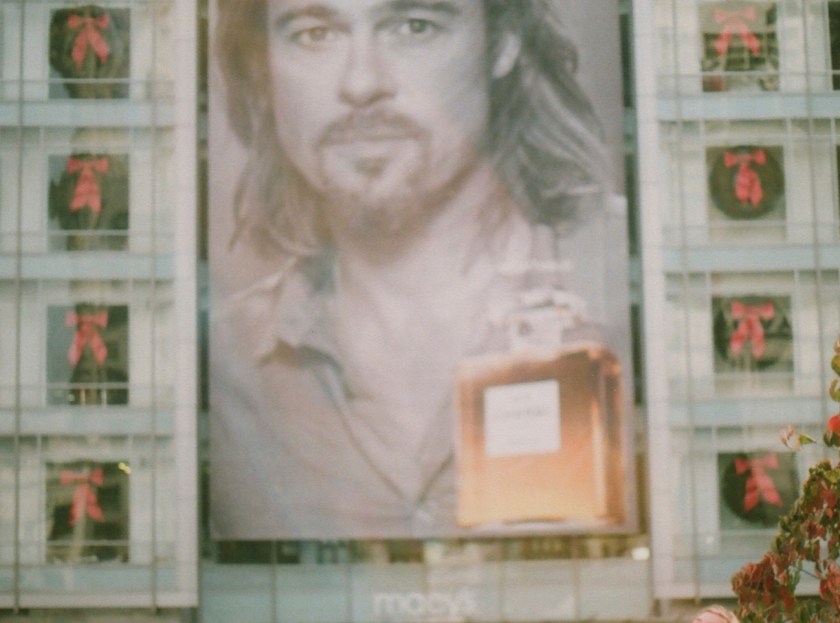
Observe (above) the liturgy at the famed Chapel of Toys ‘R Us. Note the blue-vested vergers keeping order. Jesus Pitt (below) offers salvation in a Chanel bottle at Macy’s.

Brad as Jesus

All this, of course, happens at the same time in a calendar year as religious Christmas.

Here’s (below) what religious Christmas is about, the birth of Jesus in Bethlehem. The season of the religious Christmas is quiet, contemplative, musical.

Both Christmases can be joyous but they are, in fact, completely different in purpose, in focus and in execution.

The confusion we often seem to have in our national dialog is, I believe, the result of conflating these two, distinctly separate holidays, which happen at the same time of the year and happen, unfortunately, to have exactly the same name.

lebrun-adoration_of_the_shepherds

All My Eye and Betty Martin

My old friend Chris, a veteran Aussie newspaperman, sometimes used an expression that was new to me but familiar to generations of British sailors, “All my eye and Betty Martin,” meaning something that’s complete nonsense. And, as it happened, we were colleagues at a workplace where he had (too) much occasion to use it.

When I asked him where the expression came from, he was uncharacteristically vague. Perhaps something about the navy, he’d half-heartedly suggested. Was Betty Martin some actress who’d captured sailors’ fancy, maybe like a British version of Betty Grable? After more than a few stories, most of which I believed to be all my eye and Betty Martin (and I think you know what I’m talking about here), I realized I’d have to find out for myself.

As it turns out, all my eye and Betty Martin has something of a cult following among linguistic historians.

The expression appears in a Coleridge poem from 1851:

“All my I! all my I!
He’s a heretic dog who but adds Betty Martin!”

Linguists cite this as evidence it was already in usage as popular slang by 1851. Indeed, it appears in 1781 edition of the OED (Oxford English Dictionary, of course), referring to it as “a sea phrase Admiral Jemm [actually, Royal Navy admiral James Burney] frequently makes use of.”

In his Dictionary of Phrase and Fable (1898), E. Cobham Brewer tells this story, which connects the Royal Navy to the expression:

“[A] Jack Tar [British sailor] went into a foreign church, where he heard someone uttering these words—Ah! mihi, bea’te Martine (Ah! Grant me, Blessed Martin.). On giving an account of his adventure, [the sailor] said he could not make much out of it, but it seemed to him very like “All my eye and Betty Martin.”

Sounds plausible enough to me because, let’s face it, mangling other tongues is part of what British sailors traditionally do in foreign lands, is it not?

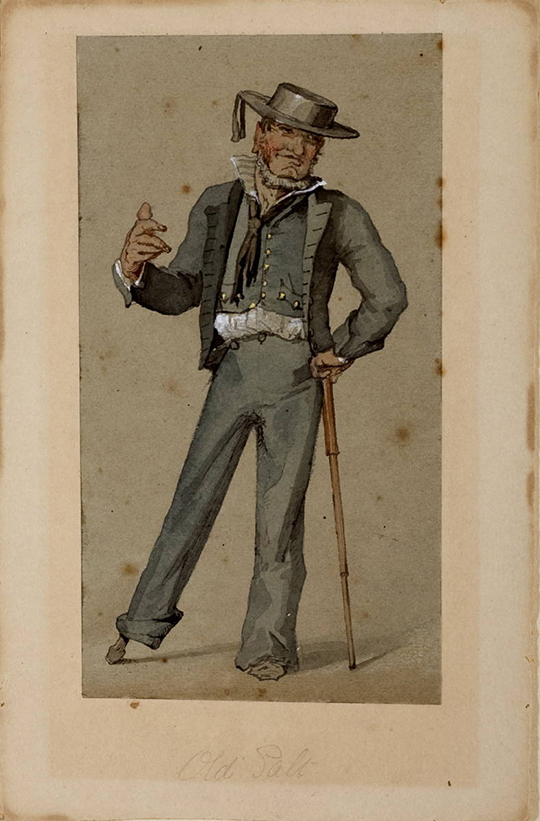
There is a Latin prayer, Ora pro mihi, beate Martine (“Pray for me, blessed Martin.”), which might refer to St. Martin of Tours, the patron saint of innkeepers and reformed drunkards. Very appropriate for old salts of any nation.

Taking this walk through the history of expressions just a bit further, some have suggested that Betty Martin doesn’t come from beate Martine at all but, rather, beata mater, Blessed Mother. In other words, the prayer the old sailor misheard as an entreaty to the patron saint of reformed drunks may have been the request for the blessing of the Virgin Mary.

And why that misunderstanding resulted in an expression for nonsense that has lasted over the seas and centuries, I cannot even begin to guess.

Nostalgia By Waves

I was driving home on a recent rainy Saturday night. The city’s downtown holiday lights were going up. Car and pedestrian traffic was heavy, manic and unaware; just a dress rehearsal, of course, for the nightmare weeks coming after the Thanksgiving observance, but tense and nerve-jangling nonetheless. When I popped on the car’s radio to drown out yelling people and blaring horns, I heard the strains of a Celtic song, Scottish or Irish, I did not know for certain. The sound of the fiddle, so characteristic of Celtic music, so beautiful, yet so full of sadness, washed over me with a wave of familiarity, as if I was actually at the ceilidh where the recording took place.

The ache I was feeling has a name; it’s called nostalgia.

Nostalgia comes, as so many of our words do, from the Greek – a combination of nostos, meaning “homecoming,” and algos, meaning “ache.” So, nostalgia is, literally, an ache of longing for a time or place that has sentimental weight, like home.

When I post photos of long-gone San Francisco (e.g., Playland-at-the-Beach) on this blog or to my facebook account, as I am sometimes wont to do, that’s an expression of my nostalgia for a hometown that doesn’t exist anymore in the way it did when I was a kid. Funny, then, that I would feel the same ache from Celtic music but feel it, I did.

Now, I’ve never been to Ireland, and I’ve been to Scotland only once (loved the visit, by the way) but I would never consider either place home. Nor would I consider myself Celtic. My people are from the eastern Mediterranean. Nor did I grow up listening to Celtic music as a kid. It’s something I enjoy hearing from time to time, and that’s about it. For some reason, from penny whistles to crying fiddles to skirling bagpipes, Celtic music does something to me emotionally. [A side note: for the most part, I’d still rather listen to other stuff. I’m not insane.]

My nostalgic connection to Celtic music is somewhat similar to the feelings I have for Washington, DC and North Carolina in the spring and, to a lesser extent, Philadelphia in the fall, but at least I actually lived in those places and still have actual friends and memories I closely and warmly attach to each.

No, as I think more about it, this may all be traced to the particularities and peculiarities of my family history.

It was almost a century ago that all four of my grandparents left (or were forcefully uprooted from) all the people and places they held most dear in the world. They came to a wholly unfamiliar place, amidst mostly unfamiliar people and customs. So, as American as they became over time – and they did, in fact come to be more American than Greek  by the ends of their lives – they still must have been mightily torn by the competition bewteen the pull of their old land and the push of the new.

Is this familial inheritance the reason that, even though I dearly love my hometown, I so often look over my shoulder at other places and fondly remember the people of my long-gone past? Is it the reason music that’s really not my own sometimes feels so close to the bone?

Infidelity, Votes-for-Gifts and Secession

A Matter of Scale

There was much hand-wringing this week over issues of “national importance,” like (1) a former general’s marital infidelities, (2) whether the president won re-election by the inappropriate giving of gifts and, oh right, (3) the question of states seceding from the Union.

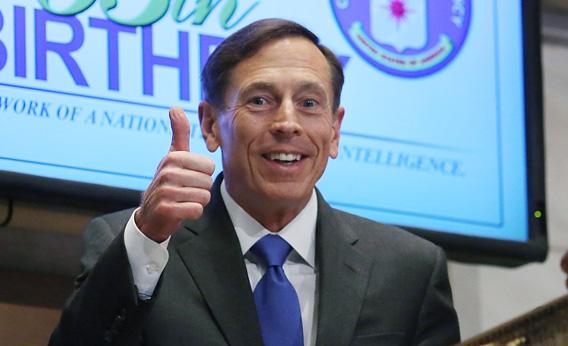
1. Honestly, I feel sorry for David Petreus. He’s obviously smart but he also seems like a very sad little man.

What started this “grand revelation” wasn’t some backroom, dark-ops way to protect the president from embarrassing revelations about Benghazi. That’s just right-wing nonsense-dreams. This happened because an overly “zealous” FBI agent wanted to have sex with a comely (albeit married) woman he knows, and when his text to her of himself shirtless didn’t do the trick (BTW, does it ever?), he went outside bureau rules and uncovered evidence of (my heavens) an extramarital affair involving the former general and current CIA director.

I don’t happen to think CIA Director is a position that requires some special level of moral authority based on leading an unblemished personal life. If it did, no one would be able to occupy it. Ever. Same goes, I think, for generals. I don’t think about their personal lives and I don’t want to. I don’t care that Petreus is married or what he had for breakfast or that he had an extramarital affair. I care that, as a general, he figured a way to get American combat troops out of Iraq. I care that he faithfully supported the administrations he served. I care that he seemed to do all the hard and thankless jobs other, less capable people kept dumping on him, to the best of his ability.

This continuing national preoccupation with the sexual behavior of public figures is embarrassing, unhealthy and, I believe, unintentionally reveals a twisted pathology of those who most strongly call for resignations, humiliations and punishments.

For no good reason, Petreus had to resign; it’s our loss.

2. Did Barack Obama promise “gifts” to potential voters as a direct inducement to improperly get their votes, or are Mitt Romney and certain fringe Republicans just sore losers who still can’t believe they lost the election?

The question is rhetorical but there’s still an answer: sore losers. End of story.

3. Secession? Seriously? Your guy doesn’t get elected president and, right away, it’s “I’m leaving this party.”

Let’s look at this “firestorm” for exactly what it is. Led by an all-out effort in (Surprise!) Texas, the online secession petitions have gathered something over 700,000 signatures (at writing time). That’s a whopping 0.022 percent of the US population. My hand to God, I think I could get that many people to sign a petition making French toast our national bird. Let’s compare that percentage to another small part of the country’s population that was (in contrast to secession) completely ignored recently, namely the number of our fellow citizens who voted for Gary Johnson (the Libertarian candidate) in the election – about 1 million votes, or 1.2 percent of the votes cast in the states in which he appeared on the ballot.

So, is this an anemic stunt or a failed but serious movement?

If it’s intended as a stunt, it isn’t interesting, it isn’t funny, it isn’t going anywhere and, therefore, isn’t worth people’s attention.

If it’s intended as a serious movement, I find it insane beyond my words. Consider our history. The last time we had a serious secession movement, it was settled by the costliest, bloodiest, most damaging conflict in our country’s history. And as I’ve said before to friends, that is rain we do not want to call down lightly. Rational Americans do not want to call it down again, period.

But, secessionists, don’t give up hope completely. If I ever were to compile a list of states I’d happily bid a fond adieu (Note to separatist Texans: That’s French for “see ya later.”), congratulations, Texas, you would be at my list’s very tip top.

Texas #1!!!

(Don’t worry, Arizona, you can make it; just try a little harder.)

Steinbeck Country

The other day, I found myself shooting south from San Francisco, down California’s Highway 101. Once through the Bay Area, past San Jose, the look of the drive changes significantly.

No more high-tech corporate headquarters campuses. No overly cute billboards. No knots of traffic. Not a Prius in sight, only trucks. Nothing you’d see in the driveway of a suburban house. These are working trucks.

And so, I entered the Salinas Valley, the place Steinbeck brought to life in ‘East of Eden,’ ‘Of Mice and Men,’ and many other of his stories. The closer I got to my destination, the pretty little city of Gonzales, the more I came to recall the opening of ‘East of Eden.’

     The Salinas Valley is in Northern California. It is a long narrow swale between two ranges of mountains, and the Salinas River winds and twists up the center until it falls at last into Monterey Bay.

.     I remember my childhood names for the grasses and secret flowers. I remember where a toad may live and what time the birds awaken in the summer – and what trees and seasons smelled like – how people looked and walked and smelled even. The memory of odors is very rich.

My window was down on this chilly November morning, and I could smell those smells too. And I was transported to a time when a young John Steinbeck lived and played and grew, like the trees and the grasses, among the green fields of the Salinas Valley.

A Last Gasp

At one time, frenzied throngs of them filled the streets and frightened the establishment, although they always seemed more circus than menace to me.

They waved signs with nonsensically and humorously over-inflamed rhetoric (I mean, really, who can take the threat of domestic Communism seriously these days?) and carried a rag-bag mix of symbols from a wildly inacurate Disney-fied version of our historical past. Tri-corner hats and powdered wigs. The famous “Dont Tread on Me” Gadsden flag. Historical re-creation (and more modern) firearms carried in plain sight at public events. Unintentionally hilarious Biblical misquotes and anachronistic appeals to “traditional family” values.

“We want our country back!”

They stacked and thuggishly hijacked public meetings. They prevented the business of government from happening. They shouted down elected officials. They browbeat and coerced shaky-legged politicians with unsubstantiated accusations and seemingly limitless vitriol. They would not be talked down, placated or reasoned with.

The major political party with which they affiliated bowed to their will because they could turn out the votes like nobody’s business and, well, there was also all the money. Freakishly radical candidates were selected in primaries that came to resemble the stilted surrealism of a Dali painting mixed with the broad caricatures and pre-scripted inevitability of Kabuki theater.

“Restore America!”

Their anger had been purposefully fed, of course, by a centralized, well-financed and coordinated effort of white multi-billionaires who did not want their cozy-happy era of unchecked dominance to pass.

However, after all the red-faced screaming (not to mention the expenditure of untold billions), the sound and fury has, indeed, come to signify nothing. Our country’s demographics are, in fact, our destiny. The Christian church in America is shrinking and the electorate will not be majority white for long. Those are the dead-certain facts.

Even the scale of money used in this past campaign can only buy so much, it turns out. With this election, we may have finally seen its concrete limits.

The Tea Party, and the vision of America it represents, is in its final death spasms. And there is nothing anyone can do to stop it.

Good riddance.

The Name Is Bond, James Bond

.
Imagine sitting down over a few beers with an old friend.
.
You catch up on the years since you’ve last seen each other. You ask about spouses and kids. Take a few shots at each other’s appearance. You’re fat. You’re bald. Maybe you start to loosen up and take a few bigger shots. You’ve always been ugly. How’d you get her to marry you, anyway?
.
Hahahahahahaha.
.
Then you start the “remember when”s. You remember old pals and former girlfriends. Never thought she was right for you. Yeah? I never liked yours either. You laugh about the time when he did something stupid. Then he laughs at something stupid you did. To no one’s particular surprise, it isn’t hard to remember enough stupid things to make quite a conversation.
.
How long is it until you talk about work? And that’s when you stop talking so much and become the listener. You see, while you’ve been bouncing around the American corporate world, or the skilled trades, or some other thing, your old pal’s been logging in a 25-year career with the CIA. Think about it. There’s no topping the stories from his office parties.
.
It was during one of those boozy sit-downs when my friend gave me a little insight into James Bond, the great British spy character created in 1953 by writer Ian Flemming, after whom all modern literature’s spy characters are loosely or directly based.
.
My pal said there’s always a Bond but he changes over time to reflect the values of the era he’s placed in. 
.
Bond is always tough. Bond is always brilliant and fearless. Bond is always a sex machine. So, of course, the idea of bringing Bond to film was irresistible.
.
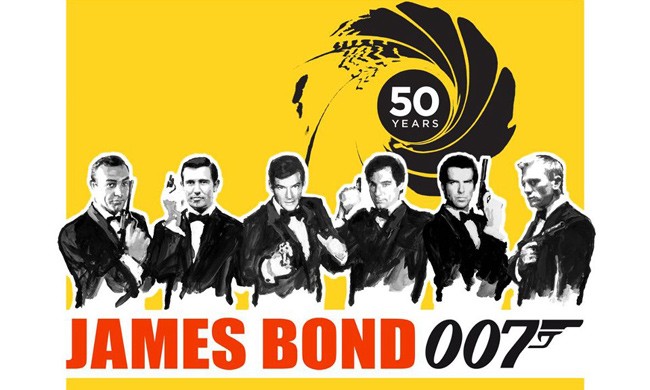
Over the years, Bond has been portrayed on film by 9 very different actors but the character himself has changed significantly as well. Sean Connery was the first feature film Bond, in 1962’s Dr. No. He was followed by many, including, most notably, Roger Moore, Pierce Brosnan and Daniel Craig.
.
.
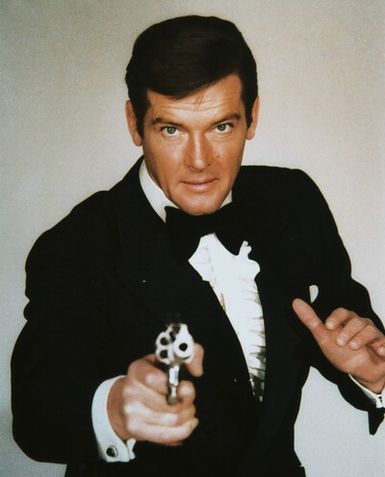
Connery was the perfect post-WW2 Bond, carrying himself just like a combat veteran operating in the murky ambiguity of the Cold War. He was outdoorsy, tough, mouthy and unfailingly sexist.
.
.
Moore was slick, blow-dried, corporate, movie-star clean and pretty. He was perfect to represent the period from disco to the Reagan era’s faux tough-guys.
.
.
Brosnan was smooth, implacable, brilliant. The personification of a New Millennium, Internet start-up, computer-nerd’s wet-dream spy.
.
.
And now we have Daniel Craig’s Bond. Cruel. Violent. Heartless. Inhuman. A thug. In truth, the perfect Bond for today’s world.
.

Real Eagles

.
I earned the rank of Eagle Scout, the highest rank attainable in Scouting, almost 40 years ago. I credit to my participation in Scouting my first real experience in leadership, the origins of my confidence speaking in public, and a lifelong love of being in respectful and appreciative contact with nature. I have a confidence in the outdoors few of my city-raised peers do. I made very close friends in Scouting, some of whom I remain in contact with, now many decades later.
.
Generally, I have been quite proud of my Scouting experience.
.
Last week, however, I read news which troubled me deeply. A 17 year-old was denied the Eagle Scout award he’d duly earned for the sole reason that he is gay.
.
Scouting has long wrestled with issues of sexual identity and orientation, in both membership and leadership, and religious faith. The organization’s current position is that, to be eligible for affiliation, both boys and adult leaders must profess faith in God and be heterosexual. Both requirements are, I believe, anathema to managing organizations in diverse societies. Further, and more seriously, they send precisely the wrong message to the young men Scouting hopes to develop into America’s good, strong, moral men.
.
America is a diverse society in which everyone matters. People are of numerous religious faiths, and of no religious faith at all. Good Americans are straight and gay alike.
.
The same should go, I believe, for Eagle Scouts. 
.