We in America are the very best in the world at killing each other with guns. No other nation on earth comes close.


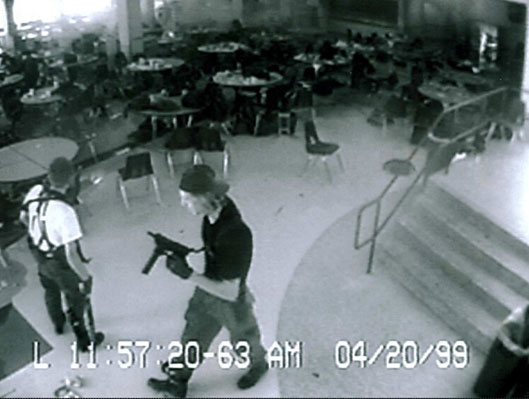
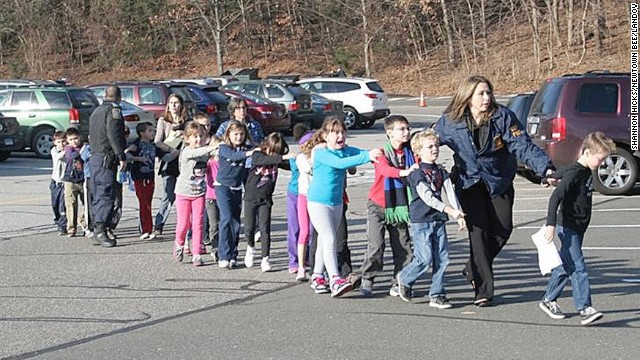
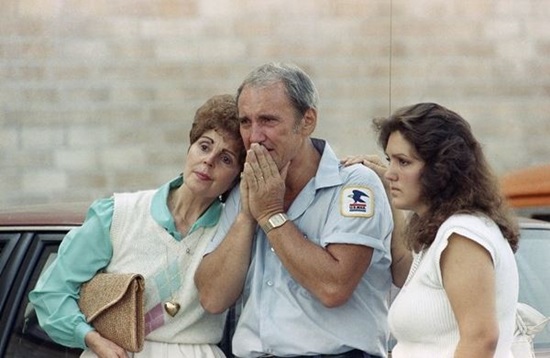

Must be all the practice.

Wise guy, writer, trusted advisor, funny-man, story teller, a guy you want around when things go south.

We in America are the very best in the world at killing each other with guns. No other nation on earth comes close.
Must be all the practice.
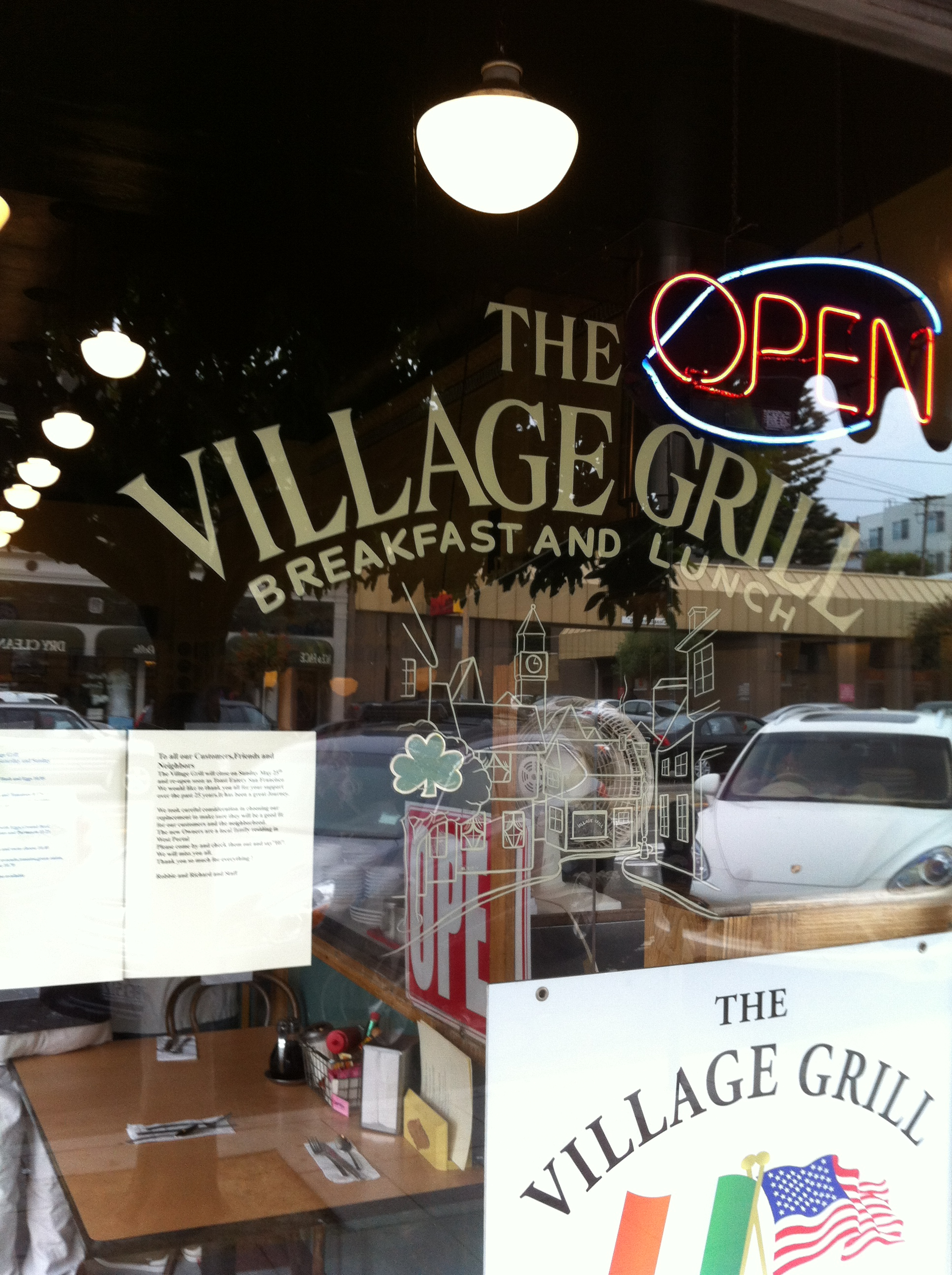
We live in a little-known San Francisco neighborhood called West Portal, so-named because it’s located at the western entrance (or, that’s right, portal) of the public transit tunnel cut under Twin Peaks.
One of the first businesses we patronized when we moved here, some 22 years ago, was Village Grill, a definite step back in time, in a neighborhood that felt like the San Francisco I remember from my youth. It was a place with simple food, good and ample. It was a place where you’d run into friends, friends of parents, off-duty MUNI drivers and mechanics, the local dentist and, every so often, politicians and reporters.
The Village Grill was hospitable to everyone.
On one Sunday morning, when the place was too crowded to get a table or a booth, Erika and I sat at the counter and met a lady, about a decade older than my mom, who told us about her honeymoon at Yosemite in the early 1930s.
The servers became friends, or at least confidants. The cooks were blurs of activity and sweat.
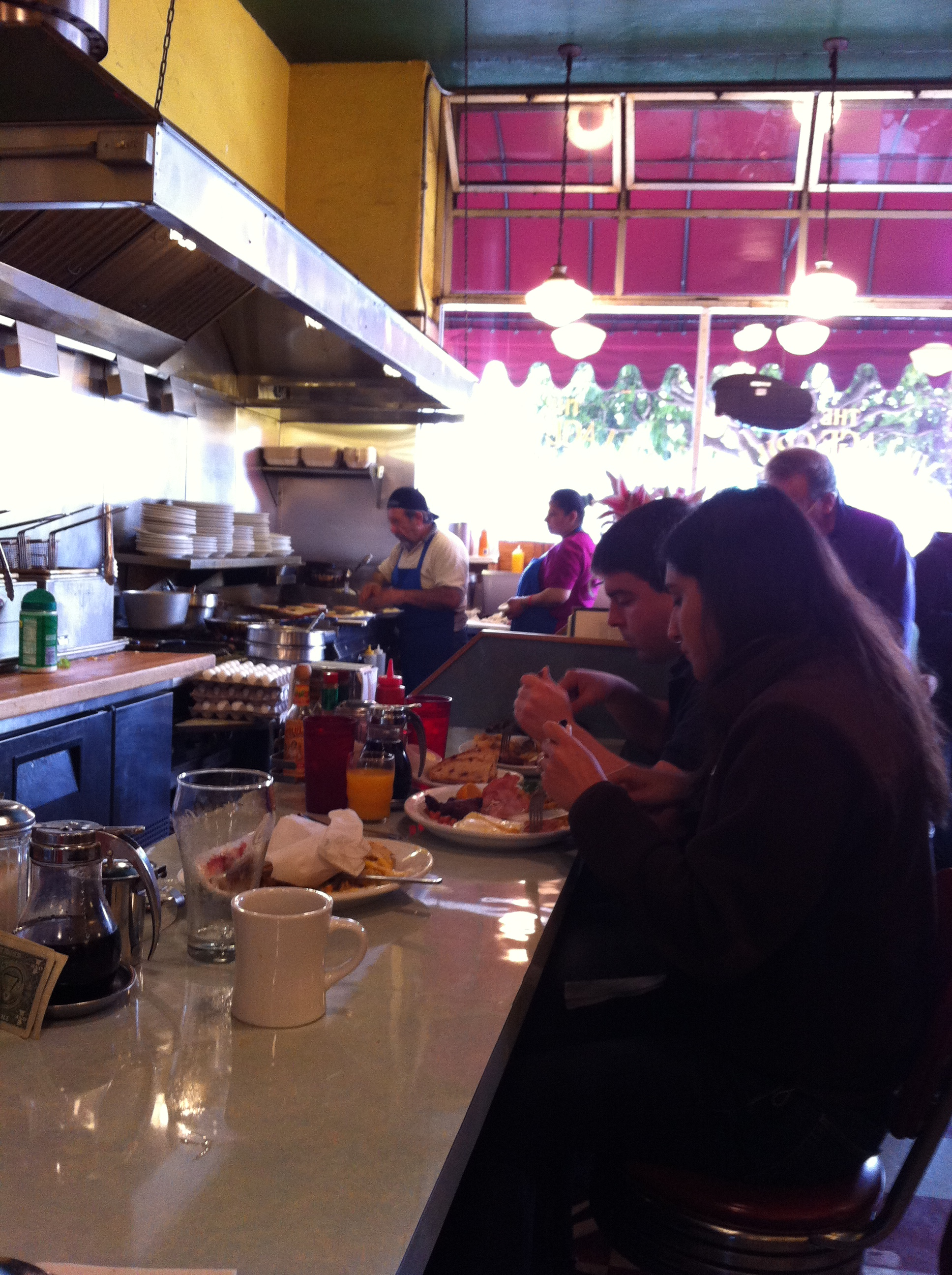
It was always active, without ever being too noisy to talk. The food was good and basic. It never became cute, trendy, or fashionable. They did, a few years ago, add a full Irish breakfast to the menu, but that was an accommodation to the many Ireland-born tradespeople in the neighborhood, not any foodie pretensions.
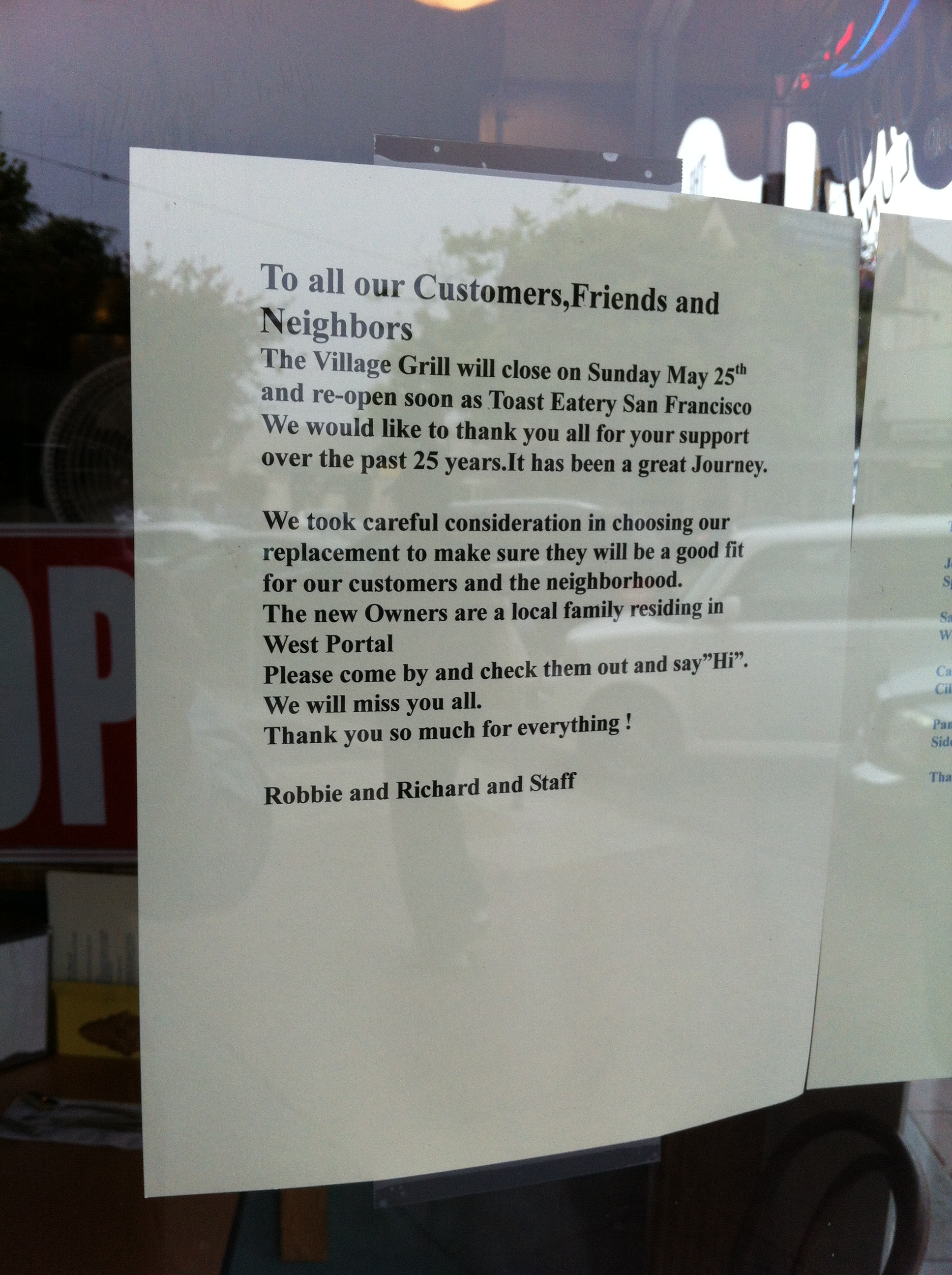
Sadly, I have to use the past tense because, as of tomorrow, the Village Grill will be no more. The owners have sold to the owners of the very-foodie Toast, a place that deals in much loftier fare and atmosphere. Neighborhoods, change, it is true, as my neighborhood proves. We’ve long since lost our Payless Shoe Store. But this loss hits me hard.
For me The Village Grill was living proof that my neighborhood wasn’t growing too big (or trendy) for it’s purposefully old-fashioned britches.

Someone who has surpassed the levels of jerk and asshole, however not yet reached fucker or motherfucker.
.
I’ve lately been brought into discussions about douchey men because my beloved daughter is going off to college in a few months and I very much want to prepare her for what she’s liable to encounter.
[As an aside, about a year ago, and quite out of the blue, my daughter asked me why boys her age are so stupid. I told her that, if she’s really really lucky, males her age would reach her level of maturity about the time she hits her thirties. She asked if they wouldn’t be there in college and I responded that, no, males are at their stupidest and most immature during their college years.]
The first question I’m often asked when discussing the definition of douchiness is, “When describing someone, is it ‘douchiness’ or ‘douchebaggery’?” To my mind douchiness is the quality of being a douche. Douchbaggery is a word to describe the action or actions of a douche.
Clear?
If not, let’s look at some concrete examples of douche characteristics – I often find this helpful.
Car they drive, or aspire to drive: BMW
College they attended, or at least wear the hoodie from: Princeton (see also Princeton mom)
Sport they play, or pretend to know about: Lacrosse (abbreviated ‘LAX’)
City they live in, or are from originally: Dallas, Texas
Tech leader they admire: (tie) Justin Rosenstein and Bryan Goldberg
Drink they order to impress when out at a bar: Artisanal bourbon or pretentiously expensive champagne
Accessory du jour: Warby Parker monocle
Wardrobe they’re habitually seen in, whether event-appropriate or not: shorts, polo shirt, no socks (an aging classic but still reliably indicative)
Favorite passtime: beer pong
Got the picture more clearly now, honey?

.
[And before I hear from every guy I know who plays/played lacrosse and doesn’t think himself a douche, or mom of a kid who plays lacrosse and isn’t (yet) a douche, let me stipulate that not all such people are douches. (Just a large majority.)]
Every single day in my hometown, and without much incident, close to a million people get out of their beds, bathe, eat something and get themselves to work, or school, or somewhere else they believe to be worth getting to.
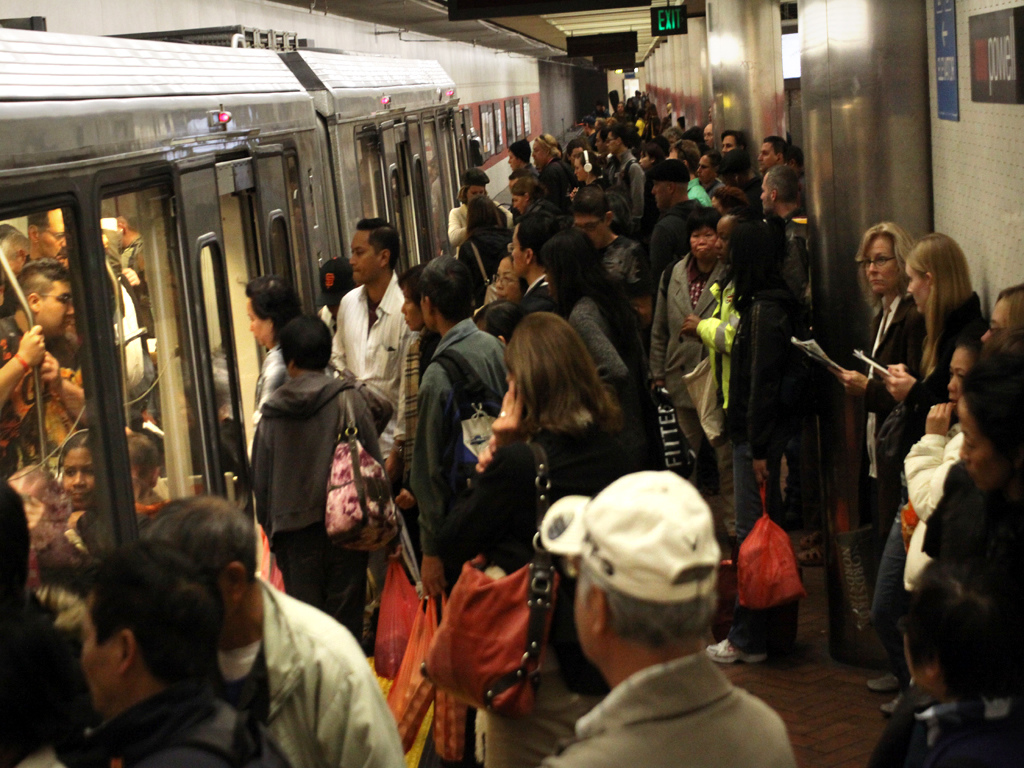
Some climb, (granted, with fingers crossed, perhaps), onto our city’s public transit system, called MUNI, or the regional transit system, called BART, or onto AMTRAK, or Caltrain, or into employer-provided buses, or their own cars, or bikes, or even walk; again, mostly without incident, to speak of. Now, MUNI can be insanely crowded, late and filthy. By all rights, there could be riots on the rails every day about some offense or other but there are just not. Mostly, my fellow San Franciscans and I get on, get off and get about our business.
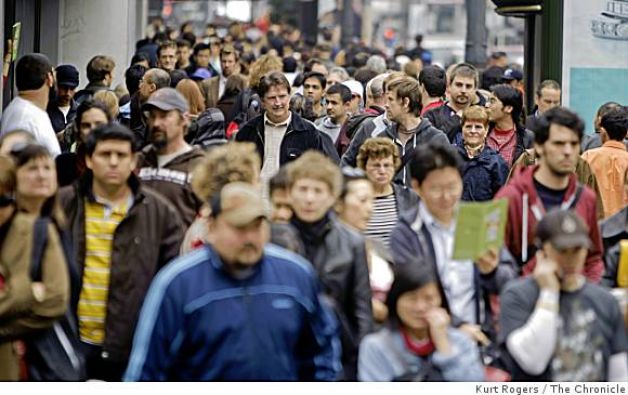
We go to workplaces and schools and studios and stores to buy food – or maybe eat out with our friends and families on Sunday nights, or special occasions. We’re productive, hardworking people, just like most people in most cities are, trying to do well by ourselves, our families and succeeding generations.

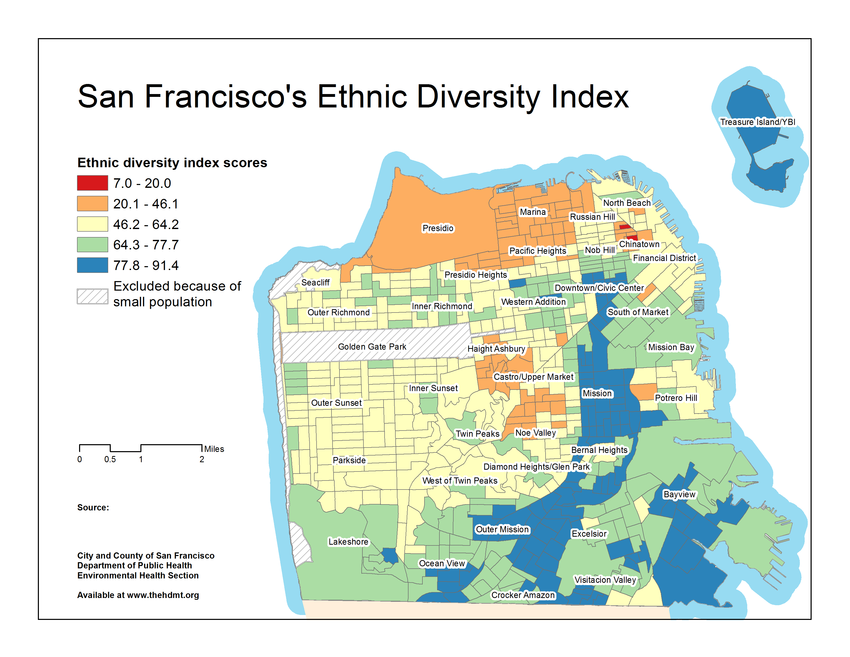
In my hometown, we residents and our families originally come from places all over the globe – China, Russia, Italy, England, Cameroon, Indonesia, Cambodia, Sudan, Algeria, Lebanon, Japan, Afghanistan, Vietnam and even Greece, like my family did. We’re Christians, Jews, Hindus, Buddhists, atheists, Sikhs, Muslims and Druids. And, miracle of miracles, there’s no faith-based violence to speak of – not even much evidenced expression of faith-based hatred, anger or enmity. And this isn’t because there’s no overt expression of religious belief or practice – there are more places of worship in San Francisco than bars (If you know anything about this city, you know that is a significant statistic.) – as some would have you believe.

And we’re people of all genders and sexual orientations and identities. And – witness any public gathering – widely diverse aesthetics as well.

This city – any large and diverse city – only works because we collectively agree to accept, appreciate, and even celebrate the diversity in which we live and pretty much let other people get on with their own lives as they themselves see fit.
(Go in peace, my brother.)
The fact that we try, day in and day out, is both extraordinary and startlingly common to all modern cities of any scale. The fact that it works and has worked here for over 150 years, without widespread insanity and violence, day in and day out, is nothing short of absolutely miraculous.
There’s a lesson in this, for those who care to hear it.


As a kid, I looked out the front windows of our house onto a city playground and its monkey bars, basketball courts and sandbox. Torture, when I wasn’t allowed to go outside and play, because I hadn’t finished my homework or chores, encouragement to finish when I was close. In either case, I could pretty well know at a lightning-quick glance when my friends were available for play. The front room, which we called the living room, although we never did much of anything in it, was always ready for guests (i.e., pretty much off-limits to us).
Our kitchen was the actual real-life heart and brains of the place; almost every memory I have of that house centers on cooking, or food, or eating. Every conversation of any substance whatsoever over the course of my entire young life happened there. We ate at the kitchen table, not in the dining room, where dinners with company would happen. I had my first drink of booze – not my first drink of wine, which happened pretty much routinely at dinner but real booze – mixing an insane concoction from off-remnants in my dad’s liquor cabinet in the kitchen. (A particular mistake never repeated.)
I shared a bedroom with my older brother until he went to college but, even then, the room stayed the same, double beds, matching desks and bookcases, cowboy motif. By the time I hit my teen years, I scarcely noticed the decor; I was in my room pretty much solely to sleep. At night, I kept my windows open, weather allowing, and heard the sound of the old Golden Gate foghorns, now replaced by electronic tones, as I fell asleep.
My grandmother, whom I called Kato YiaYia (Greek-speakers among you may understand), lived in an apartment downstairs. She would highjack me many afternoons when I’d come home from school or practice and feed me a full dinner of roast chicken and potatoes, pilaf or macaroni, bread and salad (and wine) before I’d go upstairs to choke down my second dinner. She kept the garden, which was out her apartment’s back door, well; she knew all the folk wisdom of planting and pruning and phases of the moon and months of the year. After she passed, the garden was turned into a faux-Japanese meditative garden; no more fresh herbs and fruit trees.
Those are my memories of this place on 27th Avenue in San Francisco’s Richmond District.
We’ve just sold the house to a new young family that will make its own history and create its own memories there.
Over the course of my 50-plus years, I must have walked in and out of that house a million times. And soon, any day now, some random exit will be my last.
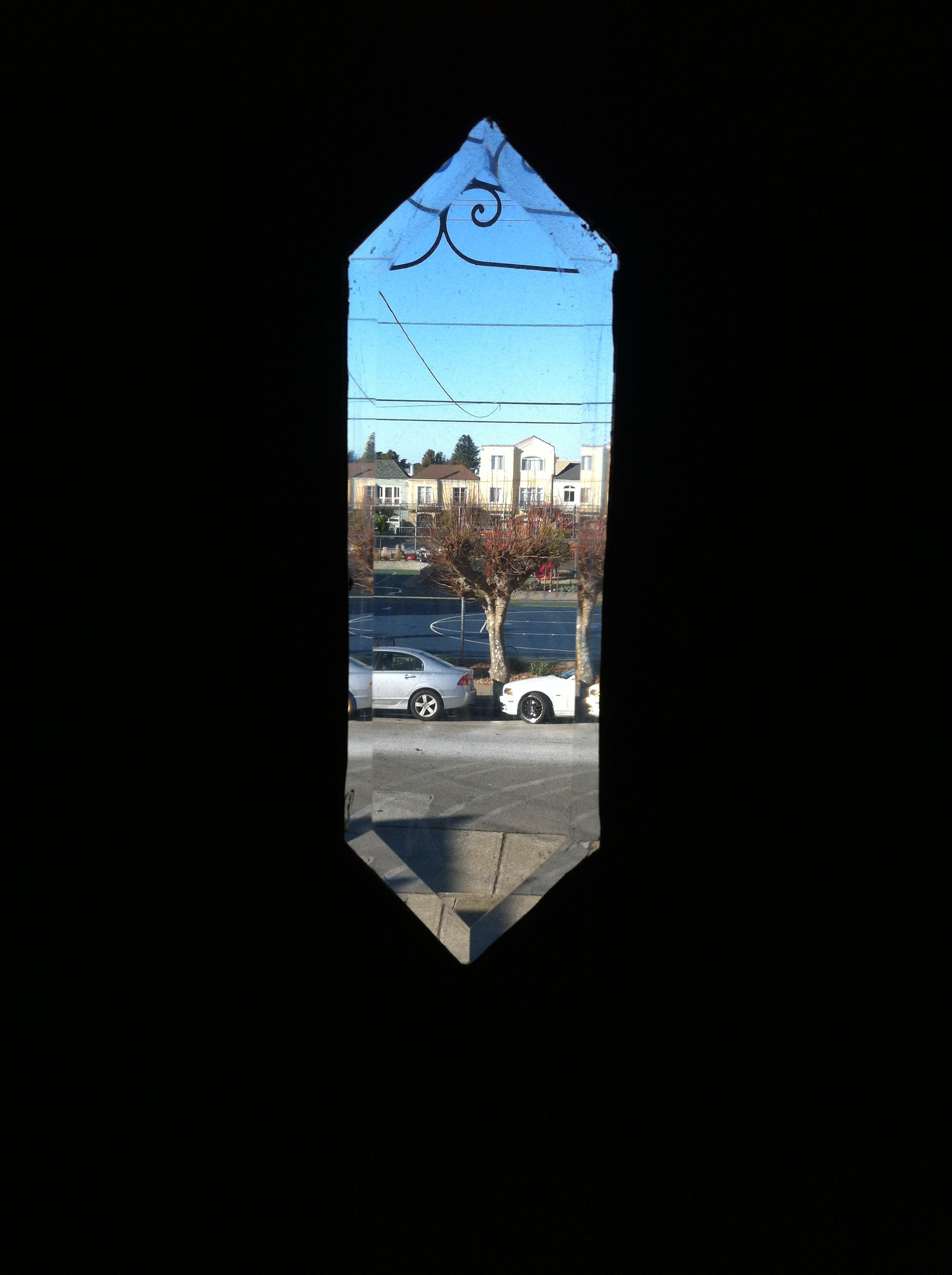

As is standard operating procedure for this burg, what can at first look like small things get perceived and communicated about in epochal ways.
Latest example: luxe private buses that whisk high-tech employees from their homes in San Francisco to their Silicon (née Santa Clara) Valley corporate headquarters have incited world-class neighborhood ire. Many of the city’s most-affected residents say these companies are using public infrastructure (e.g., public bus stops, city streets, etc.) without compensating public budgets. Further, they suggest, by running their own private transit systems and simultaneously campaigning against higher taxes and public expenditure on infrastructure, they are starving the very systems ‘regular’ San Franciscans have no choice but to use in getting to their places of work, schools, shopping, entertainment and other necessities.
As a consequence, a war of words, sometimes nasty words, has ensued.
‘Techies’, as high-tech workers are sometimes derisively called, are accused of being everything from social Darwinists to fascists to elitists. Neighborhood activists are called luddites, socialists, envious of high-tech workers’ incomes and job perquisites. Some words, obviously, have more truth to them than others but the back-and-forth has done nothing to illuminate the deeper and, therefore, real issues or to resolve the conflict.
So, let me add a few hopefully helpful words here. I start with a bit of background.
San Francisco is my hometown. I say that because I was born and raised here and have spent the vast majority of my 50-plus years here. I went to San Francisco public schools from kindergarten through high school. I had a large high school graduating class (almost 1,000) and I still run into classmates around town. Today, they’re cops and actors and firefighters and bus drivers and doctors and steelworkers and lawyers and skilled craftspeople. My parents were also both born and raised here and, in fact, spent their entire lives here (excepting breaks for war and college). My grandfather Vasilios was a neighborhood grocer, going back to the 1920s. My grandmother Zafero was a seamstress. They had a flat in the Mission, where my mom and uncle were raised. My grandfather Mitchell was a merchant seaman and saw the horrible events of Bloody Thursday – a waterfront labor riot in 1934 – with his own eyes. They and people of their generations built today’s modern (post-1906 earthquake) San Francisco.
There are a great many San Franciscans who are proud of their hometown, some of whom have lived here a long time and also worked hard to build the city that exists here today. Sad fact: some of them can’t afford to live here anymore.
Back in the 1990s, during an earlier wave of tech expansion in San Francisco, highly-paid people flocked to neighborhoods like the Mission and brought with them some positive things (e.g., chic and trendy places to eat) and some negative (e.g., much higher home prices and rents). Many long-time residents had to leave because it was too expensive to stay. The place changed and then, soon after, the tech bubble burst. Many of the 90s-era ‘techies’ and their most-favored eateries simply moved elsewhere but the continuity of the neighborhood was destroyed. There was no taking that back. So, families that had loved living in the Mission for generations were gone, many for good. Many long-time residents would say, “We got kicked out for nothing.” Their Mission changed to serve no lasting or positive purpose.
Population turnover and change can be healthy for a city. And, God knows, San Francisco can be root-bound in trying to preserve tradition. But I’ve seen time and again the value of having people stay around for the long haul. You probably don’t remember how graciously and hospitably and charitably neighbors treated each other after the 1989 earthquake but I do. We made it through some tough times by leaning on each other. People who are in and out with every one of the latest fads don’t get that kind of support, and don’t tend to give it either. Our city would be immeasurably poorer as a place if the composition of our population were completely dependent on temporary vagaries of the economy. (Anybody really want to base our shared identity and welfare as San Franciscans on the probability of, for example, Zynga’s long-term success? Yeah, didn’t think so.)
Now, another wave of well-heeled tech hipsters has discovered the joys of living in San Francisco. And they’ve re-made a number of old family-oriented neighborhoods in their own images. Bernal Heights is now the ‘hottest’ neighborhood in the country according to one recent magazine poll (San Francisco is also, no coincidence, the third least-affordable city in the world.). Who can blame them for loving life in this city? Certainly not me. You have money earned from your hard work. Good for you. Enjoy. Spend it well. Live. Eat.
But I ask my newest fellow San Franciscans to understand some measure of the anger directed at them. When you see people yelling at your luxury buses, remember that these people are taking public transit. Filthy. Crowded. Undependable. No (gasp) Wi-Fi. It’s not that they wouldn’t like to share your plush ride. It’s that they can’t, and probably never will. And it’s that they know, sooner or later, living in their hometown is likely to get too expensive for them. And they’ll have to say goodbye to a neighborhood and a city they’ve loved being a part of for a long time. And they’re angry at that. And they’re angry at you, as you blithely skip down Cortland Avenue, drip-brewed artisan coffee in hand, talking loudly about your latest plan for world conquest into your Bluetooth and step onto your private chariot for the drive to Mountain View or Redwood Shores or Cupertino or wherever you’re going.
[And when your business goes south, as it may one day do, chances are you’ll be off to the next latest hot neighborhood in Austin or Brooklyn or Raleigh-Durham or Dubai, leaving behind only sad people and empty spaces.]
Don’t worry about the neighborhood people, though; their shitty old MUNI should be along any time now.

We met her about ten years ago during an icy rainstorm in California’s Sierra. Visiting the Tuolumne County Humane Society had been pitched to me by my kids as a healthy alternative to sitting inside our dark cabin for the 3rd straight day. I was encouraged, both by their initiative (They found a listing for the shelter themselves and unprompted while reading the local newspaper.) and their interest in looking at dogs (We’d lost our beloved Buck a couple of years before and none of us showed any real interest in finding a new pet after that heartbreak.).
There were lots of dogs available for adoption when we walked back into the drafty, bunker-like, concrete room, each in their own chain-link enclosure. Most seemed to clearly understand what it meant when people, that is to say strangers, walked in, so the noise and activity level rose accordingly. Some dogs barked and jumped, many ran up to their kennel gates, tails wagging.
On the other hand, there was DeeDee, even then marching to her own beat. She moved to the front of her enclosure – I don’t remember any deliberate speed or particular noise about it – and sat at her gate. She didn’t bark or whine. She simply leaned against the fencing and looked up at us with her big brown eyes.
That, as they say, was that. Within the hour, we were talking about the particularities of adoption with the center staff.
They told us she’d not been treated well. She’d been mostly, almost entirely, chained outside. She’d not been part of family life. She’d been hit, abused, cursed, yelled at, intimidated. She would be, we were told, a challenging pet: a good family dog, eventually, with the right family.
We took a walk outside. She seemed to like us well enough. Our kids adored her immediately. So, we took our risks, signed the papers and loaded her in our van. Thus began our journey together.
The quirks and issues surfaced more or less immediately. Since she wasn’t used to an indoor life, she urinated more or less wherever she pleased. While she chewed shoes, gloves and other handy pieces of clothing, she hadn’t the slightest idea what to do with an honest-to-God dog toy. She loathed water; she wouldn’t easily allow herself to be bathed and wouldn’t swim. Also, she barked and growled fiercely at men, especially men with facial hair. And the UPS delivery people were apparently objects of special hatred not visited upon the USPS, FedEX or representatives of other delivery enterprises.

Why? Was it the brown uniforms? We hadn’t the foggiest notion.
Eventually, we guided her away from those unpleasant habits we could change and mostly tolerated those we couldn’t. DeeDee became our sort of in-house, daily, canine reminder of the AA prayer.
The longer we were together, of course, the more her loving and playful side came out. She loved chasing balls – could do it all day on the right day with the right partner(s). She loved walking together on the bluffs above the mighty Pacific, at Fort Funston. She loved playing in the snow. When in the right mood and with the right person, she loved being hugged and whispered to. She loved laying by the fire at our mountain cabin after a day in the great outdoors. She would lay down with each family member in turn every night as they went to bed – Giggy first, then Ella, then Erika and I, where she would generally make herself comfortable on our bed for the duration.
And yes, she was a terrible bed hog, couch hog, chair hog.
It was only a few months ago that DeeDee’s cancer was diagnosed, so her period of visible suffering was brief; in that I can take some measure of solace. Since her early life was marked by pain, emotional and otherwise, I thought it completely unfair that she should suffer at the end of her life as well but no one assures us that life follows our particular conception of fairness. What I can say is that DeeDee spent her final day on this earth in the company of people who honestly loved her, will miss her and will keep her memory as long as they live.
We hope you rest in peace, dear friend.

A couple of endnotes:

![tumblr_mmbz7gFGEv1qghk7bo1_1280[1]](https://speakingplainly.org/wp-content/uploads/2013/10/tumblr_mmbz7gfgev1qghk7bo1_12801.jpg)
History echoes in sometimes unexpected places.
Listen.
![Grunewald_-_pradella[1]](https://speakingplainly.org/wp-content/uploads/2013/10/grunewald_-_pradella1.jpg)
About 600 years ago, in response to a devastating plague, a singularly beautiful and emotionally moving altarpiece was created in Isenheim, Germany by Niclaus of Haguenau and Matthias Grunewald. It is about 30 feet wide and 20 feet high, not including its substantial base. The art tells one story in three different ways, or perhaps, in terms better suited to our digital era, one story in three different image arrays. Different combinations of images are revealed by physically opening doors and wings embedded in the piece.
![isinheim_11329002122746[1]](https://speakingplainly.org/wp-content/uploads/2013/10/isinheim_113290021227461.jpg)
Watching the different frames revealed is a journey through layers of the plague’s story – from suffering to darkness to resurrection – intentionally paralleling, of course, the life of Jesus.
These photographs (above and below) barely hint at the emotional power of being in the altarpiece’s physical presence. No art is meant to be experienced in a postcard, after all. Centuries before cinema, this must have been an ecstatically transformative experience for people seeing it, of course, in person.
![matthiasgrunewald_isenheimaltarpiece-thirdview[1]](https://speakingplainly.org/wp-content/uploads/2013/10/matthiasgrunewald_isenheimaltarpiece-thirdview1.jpg)
Now, flash-forward to nearer our present day – another time, another place, another plague.
Starting in the 1990s, HIV/AIDS cut across sub-Saharan Africa like a scythe – literally killing off entire generations, leaving towns and villages comprised entirely of old women and children in its wake.
![459480235_ea23e9d2a2[1]](https://speakingplainly.org/wp-content/uploads/2013/10/459480235_ea23e9d2a21.jpg)
And so, the surviving women on one such village, Hamburg, South Africa, told their own story through the creation of a piece of art, the Keiskamma Altarpiece. They built it to exactly the same dimensions as the Isenheim Altarpiece, and used the same system of hinged doors and wings, telling the story step by step – suffering, darkness, resurrection.
![keiskamma-lower[1]](https://speakingplainly.org/wp-content/uploads/2013/10/keiskamma-lower1.jpg)
I had the great, once-in-a-lifetime honor of meeting one of its creators, Eunice Magwane, who walked me through each symbol and layer. And I had the even greater honor of donning white protective gloves and showing the piece to visitors at San Francisco’s Grace Cathedral, where a part of its exhibition in North America was hosted. The meaning of this particular plague resonated deeply with our city’s own experience fighting HIV/AIDS some years before.
I touched and moved the altarpiece’s doors, spoke the creators’ messages and saw the faces – even the faces now so accustomed to movies, interactive video games and the Internet – react in absolute awe and reverence and, yes, honest-to-God emotion to the hand-made, rough-hewn depictions of horrible pain and unimaginable loss.
![kaiskamma-altarpiece-2[1]](https://speakingplainly.org/wp-content/uploads/2013/10/kaiskamma-altarpiece-21.jpg)
One of the greatest highlights of my life – not just my professional life but my entire life – was sharing that piece of art with my son’s school classmates, helping them connect the history of their hometown and its battle with HIV/AIDS, which they knew well, to the real human history of a faraway place, and seeing their common struggles and challenges. I’ll never forget the looks on the faces of these supposedly jaded, urban kids when they realized the women of Hamburg had created beautiful art depicting the pain and death of their very own, now-departed, flesh-and-blood sons and daughters, telling the story of a plague through the experience of their own lives.
Much as, I assume, the creators of the Isenheim Altarpiece had done, continents away and centuries before.
Echo, baby.
![kaiskamma-altarpiece-3[1]](https://speakingplainly.org/wp-content/uploads/2013/10/kaiskamma-altarpiece-31.jpg)
![Edouard_Detaille_-_Vive_L'Empereur_-_Google_Art_Project[1]](https://speakingplainly.org/wp-content/uploads/2013/11/edouard_detaille_-_vive_lempereur_-_google_art_project1.jpg)
It was a world in which many people’s romanticized mental image of war looked a lot like a really awesome, albeit especially noisy, parade or a light-opera production of ‘Student Prince.’ Lance-carrying horsemen. Uniforms with gold braid and buttons. Big, furry hats. Bright colors and stirring martial music.
The conflagration that became the First World War was supposed to last but several weeks, ending sometime in late autumn. Some sabre-rattling. Raising of imperial flags. A big cavalry charge through the gently-rolling fertile lands of Belgium and France was supposed to end it while crops were still in the field.
Yeah, well, not so much, as it turned out in reality.
The real war was brutal, filthy, de-humanizing, ugly. It lasted years and virtually killed off an entire generation, mostly young men. Many of those who were fortunate enough to return home alive were changed in ways that made them unsuited to the lives they’d led prior to their war experiences, much less the lives they needed to live afterward. Many were permanently injured, physically and psychologically. The world that had been at war from 1914 to 1917 was a much harsher, bleaker and poorer place than it had been before the world’s ‘great’ imperial powers launched their war to satisfy nothing but ego and greed.
It’s estimated there were 37 million casualties. Just by way of making this scale tangible, that’s more than the combined population of the top 25 US cities in 2012.
Reflecting both the need and hope of the people left alive in its wake, it was coined ‘The War to End All Wars.’ And, sadly, that turned out to be a hopelessly romantic notion too.
On November 11th at 11 o’clock am, the warring powers signed an armistice, ending hostilities. It was the hope of most participants that the treaty, combined with the creation of the League of Nations, would make it possible for global war to be eradicated. In less than 30 years, that romantic ideal would be exposed as fiction too.
In America, we commemorate November 11th as ‘Veterans Day,’ to honor those who’ve served in our armed forces. While entirely worthy, I wish we’d commemorate it instead as the day the world let itself believe in the illusion of a final war. That might actually cause us to question our continuing national philosophy that we can engage in winnable, limited and acceptable wars in the future.
![British_55th_Division_gas_casualties_10_April_1918[1]](https://speakingplainly.org/wp-content/uploads/2013/11/british_55th_division_gas_casualties_10_april_19181.jpg)

About 15 or 20 years ago, I was attending the Consumer Electronics Show in Las Vegas, as many more people were wont to do in those days. CES then was today’s equivalent of Burning Man: a hot and crowded circus, way too expensive, a place to be seen and to see naked people in unlikely places. In short, CES was, in those heady days, a gargantuan beast. The event took up the newish convention center, plus two other huge hotel convention venues.
Depending on the time of day and day of the week, it could take over an hour to get from one venue to the next – and one didn’t simply walk from one to the other. Too far, too cold (CES took place in January and Vegas can be bone-chilling cold at that time of year.), and, well, nobody walks in Vegas.
As it happened, I was invited by an important vendor of ours to a small luncheon with Larry Ellison. I said yes, of course, because, you know, any way to escape the nonstop noise and bustle of the show was much appreciated. And Larry Ellison was a huge draw for a person like me who is fascinated by the bizarre quirks of others. (Ellison had just finished a huge fight with his neighbors over the rights to fly his Soviet MiG jet fighter.)
Lunch was held in a small, non-descript hotel meeting room; the room held only five tables. There was a small lectern up front. When we sat down, no Larry. Salad served, no Larry. Entrée served, no Larry. No Larry through dessert and coffee. I remarked to my host that it must have all either been a clever way to get a captive audience, or a not-so-clever joke.
After the dessert plates had been well and cleared, the doors opened and all heads turned.
In walked a phalanx of attractive, stylish and sleek women. Maybe two dozen. They fanned out against the room’s walls. Then, in came Ellison himself with another attractive, stylish and sleek woman carrying a leather hatbox. She and Larry walked to the front, where the lectern stood. She walked a half pace behind him the entire time and stood behind his left shoulder.
Ellison talked about the cloud. He never used that term, nor would anyone there have understood him had he done so. No one knew or talked about the cloud in those days. But he sketched out the cloud, alright, from principles to use to utility.
I thought it was brilliant and completely original.
But in the back of my head, that hatbox, and the attractive, stylish and sleek woman who carried it, kept a certain part of my attention. “What the hell was in it?” I wondered.
When he finished his remarks, Ellison took a couple of questions and answered them in a way that suggested great boredom. And then, he was gone.
He walked out, followed immediately by the woman with the hatbox, then by the two dozen women who’d lined the room’s walls. Then the door was closed and that, as they say, was that.
A few of us mentioned the cloud, or how we’d heard Ellison conceive it at any rate, but mostly, we all wanted to know what was in the leather hatbox and why himself felt it necessary to have it so close at all times. None of us seemed ready to invest in cloud computing after that lunch, but quite a few of us would have put down real serious money to answer the hatbox riddle.
![330.1L[1]](https://speakingplainly.org/wp-content/uploads/2013/11/330-1l1.jpg)
 Speaking Plainly