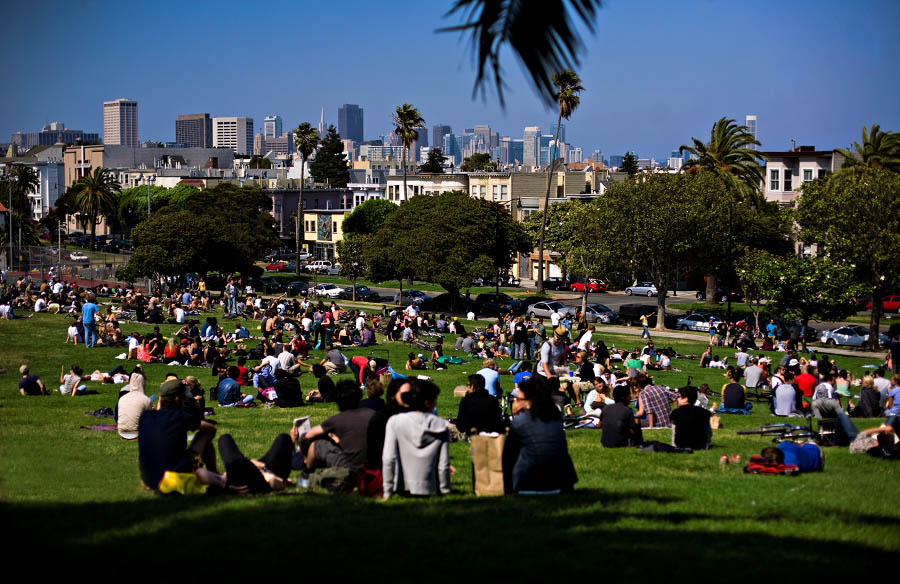
Giving Thanks on a Warm Sunday

At the far edge of the North American continent, the sun hangs warm and bright in a cloudless sky. A cool breeze drifts in from the blue Pacific, lightly bending the blossom-laden branches of neighborhood cherry trees.

Couples, both old and young, stroll – stroll is the word for walking at this pace – to the greengrocer for dinner vegetables that can be barbecued along with the Mexican-spiced chicken that will go with the just-made guacamole. Friends from the next street over stop to admire the sidewalk chalk-drawing of a house made by the little blonde girl that will someday be selling Girl Scout cookies down by the MUNI station at the corner.

Young men and women sit on rooftops overlooking the Golden Gate, drinking ice-cold beer, listening to music and laughing. The day itself will seem to last forever, then drift into evening, when a designated sub-group will run to Safeway to buy the makings of a picnic supper, which will be eaten on the roof as well. By summer, the roof will be too cold for lounging this way in the afternoon; the fog will chill and wet every exterior surface, so this group, and a thousand others like it, will retreat to old favorite bars. YouTube will play endless 60-second loops of their happily endless day for special friends who know the URL and the 1.8 million friends and friends of friends they’ve forwarded it to.

Bikes, dusty with months of garage storage, are hastily brushed off and ridden to anywhere green. City parks and beaches are filled with people playing and walking their dogs; Frisbees, balls and animals flying every which way until well past the official sunset hour of 6:06 pm.

It is a Sunday to file away and remember nostalgically when things are not so warmly perfect. Life is peaceful and good. The hills of Marin appear to be only spitting distance away. Even strangers nod and say hello.

An Incomplete Satisfaction

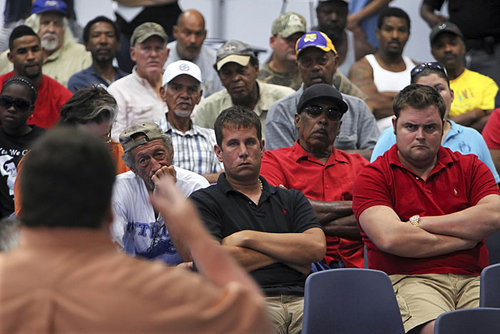
As I’d thought, the settlement between BP, and Gulf residents and businesses will not, it seems, ever come to public trial. The New York Times reports that lawyers for the parties are close to a final agreement and the trial, scheduled to begin on Monday, will be “adjourned indefinitely.” 

The Times article states:

The two lawyers who led the plaintiffs’ steering committee, Stephen J. Herman and James P. Roy, said, “This settlement will provide a full measure of compensation to hundreds of thousands — in a transparent and expeditious manner under rigorous judicial oversight.”

“Full measure of compensation,” perhaps, but this settlement will deny to people whose way of life has been significantly threatened, if not for all intents and purposes destroyed, the opportunity to face BP executives in open court, watch them testify and respond to questioning.

The expedited financial settlement was important for these people, and must have been quite literally irresistible, but it doesn’t come free. As is typically the case, it’s America’s working people who will assume the risks, cry the tears and bear the burden of crises created by the self-serving decisions of others.

Places I Like: The Orkneys

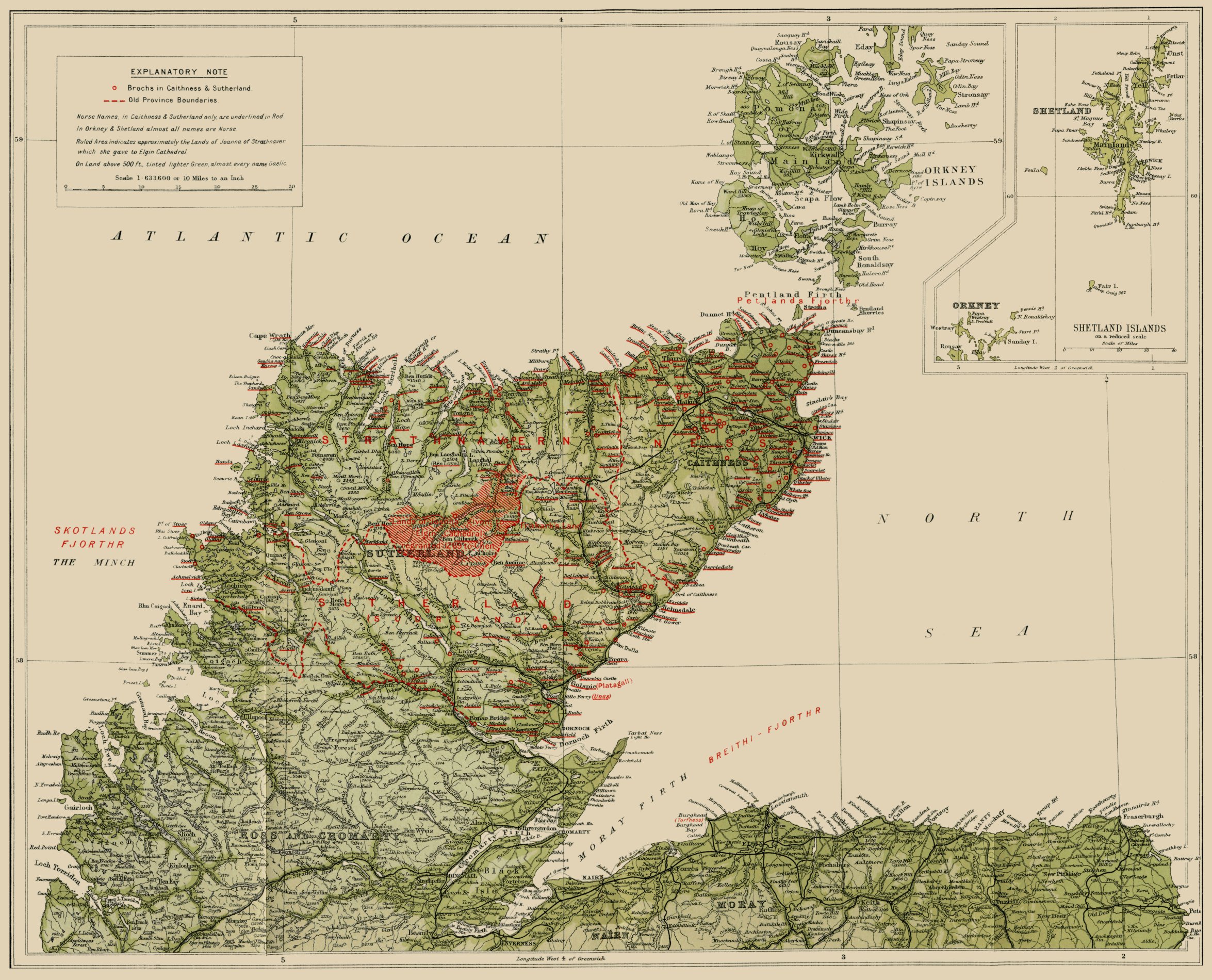
Go to the very northernmost tip of Scotland, to the town of John O’Groats. Get onto the ferry going north. Head across the North Sea. (Prepare for a rough crossing. On our trip, the rails and bathrooms were filled beyond capacity with sickened travelers.)

After losing sight of the Scottish mainland, you’ll soon be surrounded by water, the churning, freezing, foamy waters of the North Sea. Bobbing seabirds. Small, rocky, impossibly carved rock islands. This (below) is called The Old Man of Hoy; he wasn’t bathed in warm sunshine when we saw him, I can assure you.

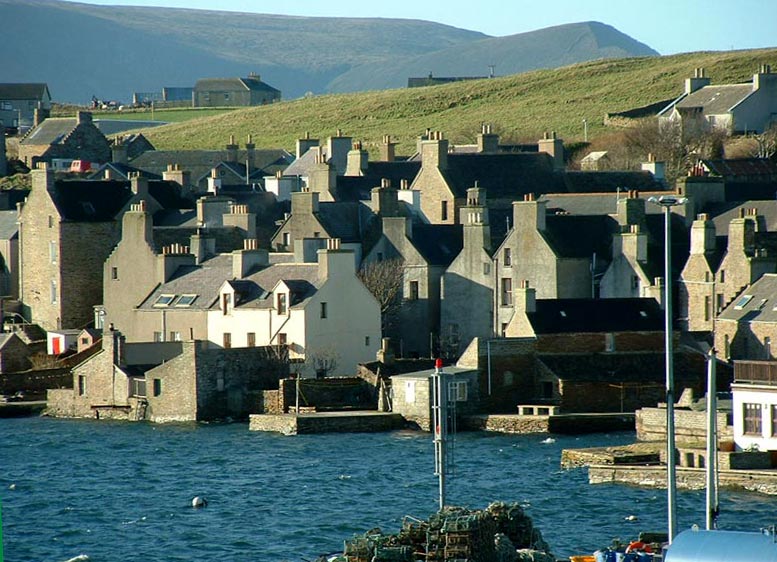
After several hours, the ferry will turn, and sail on the protected side of a land mass. The wind will mellow and the ship will slip into a movie-set harbor of waterside pubs and little houses clinging to the land’s end. Looks just as charming in real life as this photo would suggest.

And then, you’re home.

The Orkneys, a string of islands that’s a part of Scotland, is home to a 12th century cathedral, ruins of a stone age village, Scotland’s Stonehenge, an Italian-built chapel and at least one great distillery.

St. Magnus Cathedral, begun in the year 1137, dominates the town center of Kirkwall. It shows the influence of both Celts and Scandinavians, both of whom lived in the islands over the course of their history.

It is breathtakingly beautiful but there is a deliberate feeling of darkness and death. Tombs are prominent…

…as are other reminders of visitors’ mortality. This plaque (below) says “Memento Mori,” remember that you are mortal. As if one could forget it for a moment in this setting.

The natural setting of the islands is extraordinary. You can easily get vertigo by imagining you’re at the end of the earth (which isn’t too far from the truth), at least I could.

Skara brae, a Stone Age settlement, was unearthed by storms, the first in 1850, then in 1924.

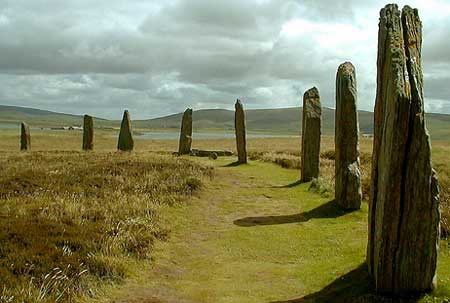
The Ring of Brodgar, constructed about 4000 years ago, has been little studied and even less well understood. The individual stones are huge, by the way.

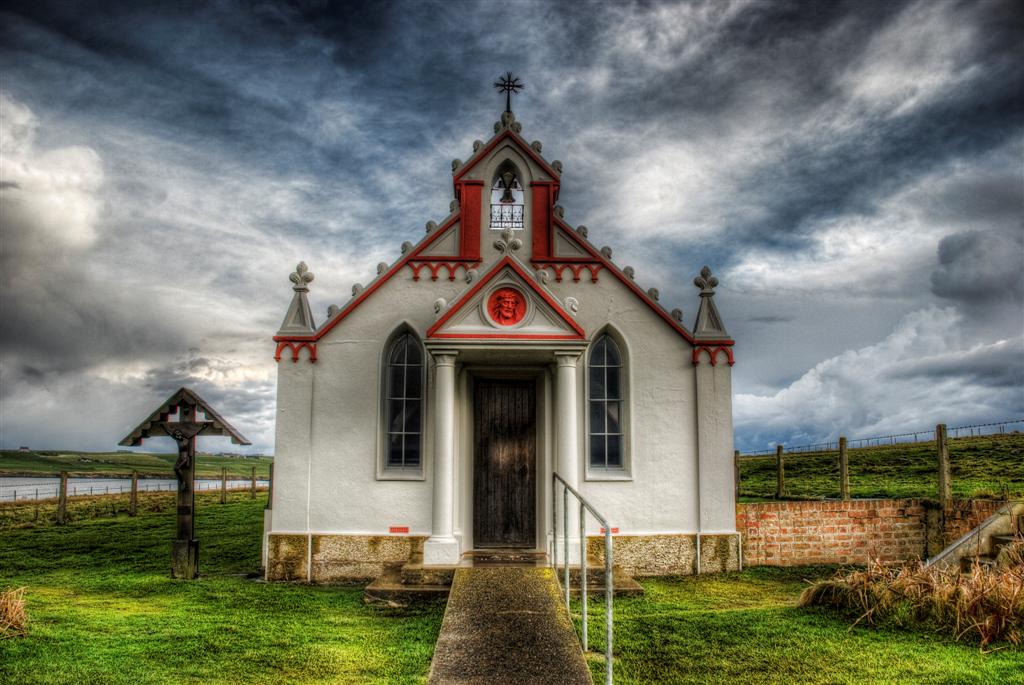
During the Second World War, Italian prisoners of war who were kept on the islands used a quonset hut and built a Roman Catholic chapel that still draws visitors for its incongruous exterior and interior painting.

And then, there’s the whiskey. Did I mention the whiskey?

My advice? Buy several bottles, to gird your loins for the ferry trip back.

Luncheon, Civility, and Other Anachronisms

I had a wonderfully restorative lunch today with a good friend. We talked about many things, some quite contentious; we agreed on lot, disagreed on a few, remained civil always.

Part of my enjoyment was due to the fact that there are fewer and fewer opportunities to openly and candidly discuss and civilly disagree about matters of interest and contention with people of shared good will. Our country has been purposefully cleaved by people whose interests are served by a hostile, mistrustful, and radically bifurcated country.

I’m reminded of this by Olympia Snow’s announcement that she will be leaving her seat in the Senate because it had become too shallowly self-serving and too uncivil. (My thoughts about her departure are here.) I’m also thinking about the death of Andrew Breitbart, who brought uncivil personal attack of his enemies, both online and in the flesh, to a high art form. And, to be fair, I also have to mention groups like Code Pink, who think nothing of shouting down and otherwise proudly interrupting people they disagree with, even during sessions of Congress and other civic functions. Or recent political campaigns based on demeaning and vile tactics that make Americans lose faith, not just in particular candidates, but also in our political system, and each other. (Thank you for this legacy, Lee Atwater, Karl Rove, et al.)

The result is a society more dysfunctional and less humane, one in which we’re split into tribes, and very mistrustful of the other.

Some years ago, I had a long philosophical conversation with a colleague and friend who happens to be a conservative Republican. Our talk crisscrossed many subjects, as conversations will do, at one point landing on immigration.

Eventually, I talked about the experience of my grandparents, who came to America virtually penniless (My grandfather arrived with $10 in his pocket; not hyperbole, I’ve seen the ship’s manifest at the Ellis Island museum. My post about him is here.), about their belief in America, concept and reality, and our family’s history of progress here.

And I choked up, as I’m wont to do when I think and speak about them.

My friend told me it was the first time he’d ever even considered the possibility that a liberal Democrat (me) might just also be patriotic; still among the saddest sentences I’ve ever heard spoken.

Goodbye, Davy.

Life is a series of hellos and goodbyes, and I’m afraid it’s time for a goodbye again. – Billy Joel, Say Goodbye to Hollywood

In this life, no sooner do you finish saying goodbye to one person when another leaves too.
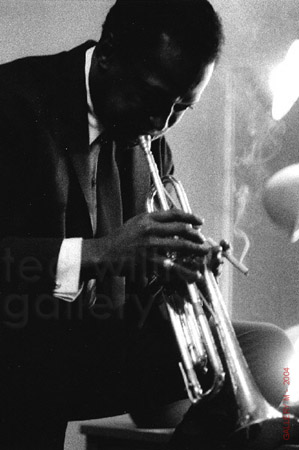
As I was writing my thoughts about Olympia Snow’s departure from the US Senate, I heard the news that former Monkee, Davy Jones, had passed. He was most famous, of course, in that way, as a Monkee, the heart-throb member of a TV-network-built poppy rock band that occupied its very own weekly show.

He’d also appeared on Broadway and on the English stage and the BBC.  Irony of ironies, because the Monkees were a deliberate attempt to cash in on the Beatles’ American success, Jones appeared with the Oliver cast on the Ed Sullivan show the same night the Beatles appeared.

Here is a short video of the Monkees playing one of their many hits, Daydream Believer. After the end of the Monkees experiment (1971), Jones went back to stage and tried film, coming to rest in nostalgic 1960s musical revues.

To his legion of devoted fans, Jones will forever be the adorable British mop-top boy who played with Michael Nesmith, Peter Tork and Mickey Dolenz, not the middle aged man who did Florida dinner theater.

Rest in peace, Davy.

Adio, Olympia. Goodbye, Civility.

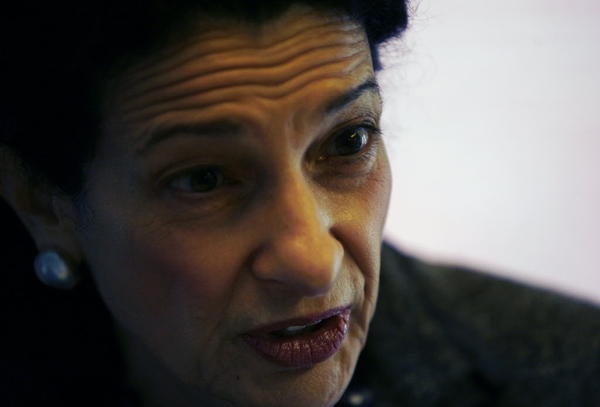
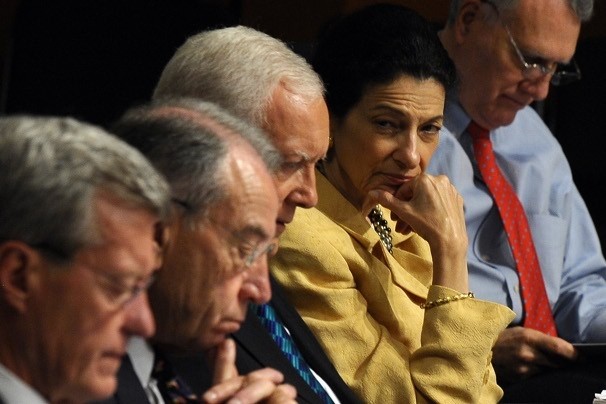
Why does someone leave a safe Senate seat? If you’re Maine’s Olympia Snow, it might be because you’re good and sick of the direction American government is moving, or, more precisely, the way our elected officials increasingly behave while they conduct the public’s business.

She had first assumed elective office in 1973, a turbulent (think Watergate) yet more civil time in American politics. Officeholders from both parties talked and worked with each other, even in public, to get things done for the broad public benefit. There was general agreement about the necessity of a functioning government. And few, if any, candidates or officials called political opponents agents of Satan, or anything.

By the time Snow was first elected to the US Senate, in 1994, there had been some erosion of civility but, in general, senators behaved like the members of the ultra-exclusive club they were. The Clinton impeachment was a turning point, by all accounts. Things got nasty, got personal, went nuclear. It wasn’t enough to get your bills through, wasn’t enough to stop the other sides bills. You had to diminish your opponent.

Washington politics became fighting to the death.

These days, politicians aren’t only uncooperative, they’re openly hostile to each other. They insist their opponents’ evil with religious fervor. Yesterday, Olympia Snow, the senior senator from Maine, declared she’d finally had enough.

She will leave her seat in America’s highest deliberative legislative body, and leave the verbal bomb-throwing to others. I’ll miss her intelligence, rationality and civility. Her departure is a sign that our country is surrendering to its worst impulses.

Things I Miss: Playland-at-the-Beach

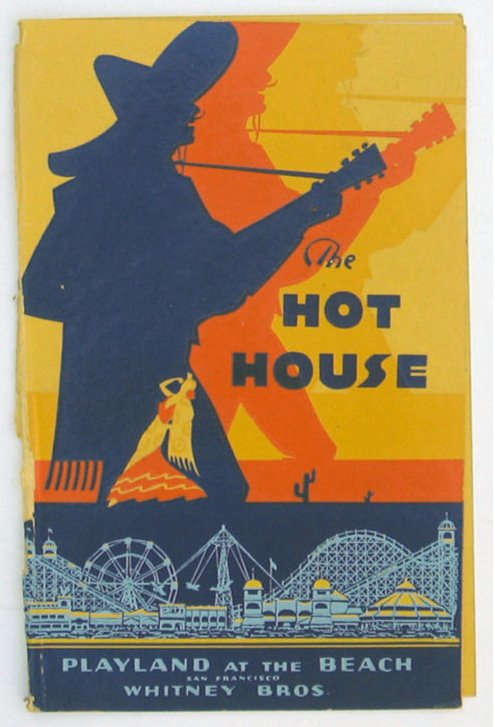
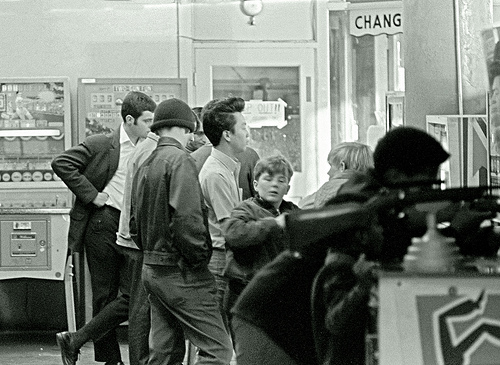
At Playland, on San Francisco’s Ocean Beach, you could be a king for a dollar. You could hear the latest music. You could play ancient arcade games. You could ride a rotting old wooden roller coaster, take a ride in a diving bell, visit a creepy-wild fun house. You could eat things you couldn’t find anywhere else – It’s Its, for example, two oatmeal cookies pressed on either side of a slab of vanilla ice cream and dipped in chocolate (the ones you get these days in stores simply don’t compare). Or Mexican food at The Hot House. Later, after Playland fell, The Hot House moved to Balboa Street. Never the same.

All kinds of people went there. All kinds. Every time I went to Playland, every single time, and I must have gone there a thousand times, mind you, my mom told me to watch out for myself.

In the summer, my dad used to come home from work when it was still light out. He’d grab my brother and me, and a cigar or two, and out we’d go to Playland, just ten blocks west of our house. We’d always run into guys he’d known growing up. They’d be cops now, or bus drivers, or short-order cooks, but in the old days, they would’ve been my pop’s running buddies. Learned a lot about the old days in the city (and about who my dad had been as a kid) from listening to their stories.

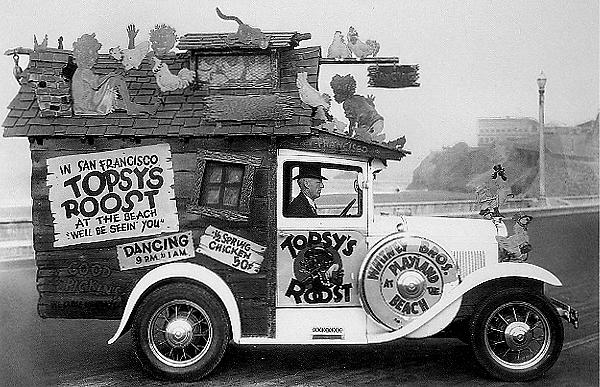
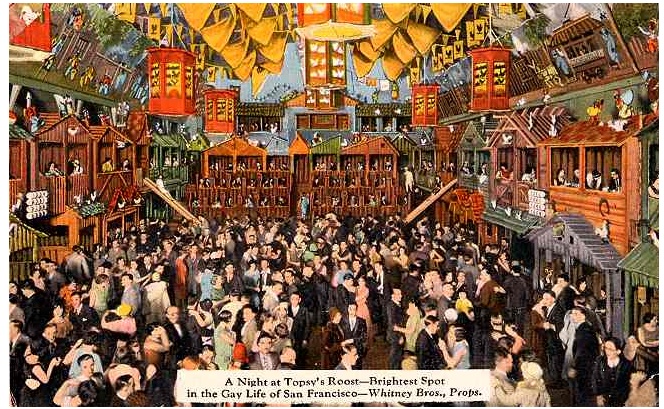
In the really old days, way before I was even born, Playland had a wild nightlife, including a place called Topsy’s Roost, a sort of mash-up of chicken coop and big band club. Think you could find something like that these days? Don’t bother trying. You can’t.

People would go out to Playland as a quick escape, a hit of fresh sea air, a few laughs, a little fun, maybe forget their troubles for a little while. During the Great Depression, not the little-assed depression we’re having now, I’ve heard Playland kept a lot of people going when they were down at their lowest; I believe it.

It closed forever in 1972 to make room for condos, because that’s what our city needed, alright, was more condos. Here’s the plaque, beloved and irreplaceable Playland’s headstone.

There aren’t places like it anymore. I wish there were; we’d all be happier and better off. Damn condos are ugly as hell, by the way.

My Funny Valentine, Many Ways

Some popular songs explode into our consciousness then disappear just as quickly. Big hits that are ubiquitous, then forgotten: a one-hit-wonder’s signature tune, theme to a hit movie, dance club favorite.

Others are more lasting. They’re seemingly born fully grown, fully realized, already familiar. Many artists might record it, seeking to explore the deep truth within the song.

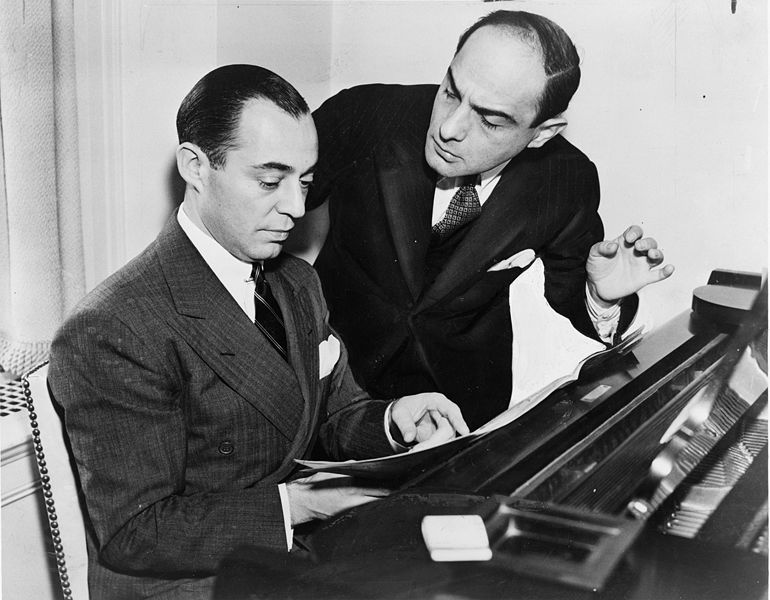
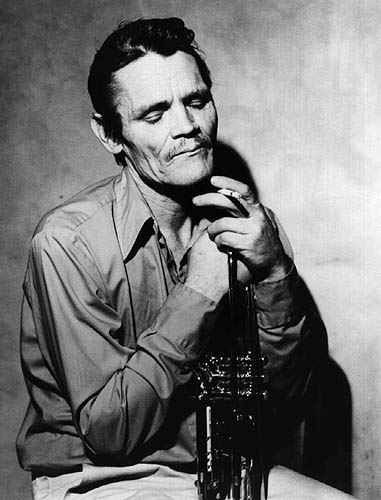
Such is My Funny Valentine, by Richard Rodgers and Lorenz Hart. Below, some examples from among the 600 artists known to have recorded versions of the song. I’ve included two by Chet Baker (one early in his career, one near the end) because he had such an obvious connection to it.

Enjoy and appreciate the song’s own genius, as interpreted by great artists.

Chet Baker, Torino, Italy (1959)

Etta James (date unknown)

Frank Sinatra, Capital Recordings (1953)

Miles Davis, Milan, Italy (1964)

Tony Bennett (date unknown) 

Chet Baker, Tokyo (1987)

Credit, Where It’s Due

Here’s a great story out of the world of major college athletics.

Matthew Dellavedova, who plays basketball for St. Mary’s (CA), was named a first-team Academic All-American this week.

In addition to carrying a 3.6 GPA and progressing toward completion of his college degree, he averages over 15 points and nearly 7 assists per game. He’s also an acknowledged leader on a Gael team that plays at a national level and currently leads its conference.

A while back, I wrote a piece about the disaster of big-time college athletics; it’s only fair to point out the positive side too.

Congratulations to Dellavedova, his coach Randy Bennett, and St. Mary’s.

Worth a Tear or Two

Do you know who this is? Her name was Marie Colvin. The eyepatch is no Halloween get-up; she lost the eye while covering a war. She was a journalist and she died this week trying to tell the world what’s happening right now in Syria.

She was a journalist, like Murrow, Cronkite, Sevareid, some others. She didn’t just go to government press briefings. She went out and got the story. Then she told it.

She was a journalist who put her life in peril to do her job the way it ought to be done, the way all serious journalists used to do it, the way some (very few) do it still. She thought the people of the world ought to know what’s happening. She believed, perhaps naively, that once knowing, we would care enough to do something.

These days, many of those appropriating the title “journalist” for themselves are either bald-assed propagandists…

trivia-seeking entertainers…

or do-nothing armchair pundits.

But that wasn’t Marie Colvin. She was a journalist. She died bringing us the story.

And her death, if not her story, might have gotten more attention but, hey, there are so many other things demanding our attention at this critical moment in history. For starters, it’s Oscar week and there are red-carpet looks to be presented and discussed.

Pitchers and catchers reported to Major League Baseball’s Spring Training.

And a newly adopted cat saved its new owner’s life.

No time now for serious stories about death and revolution.

But sometime down the road, if we’re at war with, say, Iran and the men and women in our armed forces are dying, don’t you dare bitch that the government lied to you, or that some conspiracy withheld information, or that you weren’t told. You were told, alright. You just couldn’t be bothered to pay attention – even when the person telling you died to bring you the story.