Old Snapshots

Maybe this sounds familiar.

In an attempt to simplify our lives, over the past few months we’ve been going through and weeding out things we’ve kept for one reason or another. Knickknacks and trinkets, old silver serving platters, photos of people, maybe relatives, now long forgotten.

They were things that held value for those who bought and used them, but for us, they’ve just been the heavy contents of plastic tubs taking space in our basement. So, now we find ourselves at the time of reckoning. The tubs are retrieved and opened, their contents identified to the best of our ability, and disposed of, one way or another.

Some are easy choices made quickly. We don’t need, use, or want silver serving trays or cake platters. We don’t entertain that way and won’t likely do so in our future. No one in our family plays the piano, so the Aldrich upright someone sacrificed to buy during the Great Depression will also be going elsewhere.

Sell or donate.

Some decisions are more time-consuming and difficult. Photos of relatives we aren’t exactly sure of. We know they’re part of our family history, may even know (or think we know) who they’re related to, but don’t have a name or precise branch on the family tree.

Keep for now.

And so it’s been going for weeks. Preparing to liquidate the family museum we’ve been curating for the past 30-plus years.

It’s in the context of this clearing out that I lost my mom yesterday.

If you knew her, you knew you knew her. She had what you might call a very strong personality. A strong opinion about anything, everything, every single thing. A strong sense of propriety and proper ways to do things. A strong enforcer of the rules, of etiquette, of society’s rules of behavior, of how tables should be set and picnics laid out, of how homes ought to be decorated, how they MUST be decorated and preserved for company.

In fairness, she was an impressive hostess and fine chef and a doting and devoted grandmother (YiaYia, as we Greeks say).

At the same time, she was an anarchist at heart. She jumped lines and cut corners. She cut school to see Frank Sinatra, snuck around and stirred up trouble (my grandmother often called her the Greek equivalent of a shit-stirrer), was funny as hell after too many drinks, told humorously dirty stories about people (including her kids) they wouldn’t/didn’t want told.

If she were larger in stature (she was barely 5 feet tall), she might have been a brawler. Instead, she let others pick up the pieces laying in the wake of her verbal jabs.

For example, one night at a South Philadelphia restaurant frequented by known crime family members, she loudly asked me to point out members of the Mafia. In real fear for our lives, I paid the check and we split quickly. She thought it cute and hilarious.

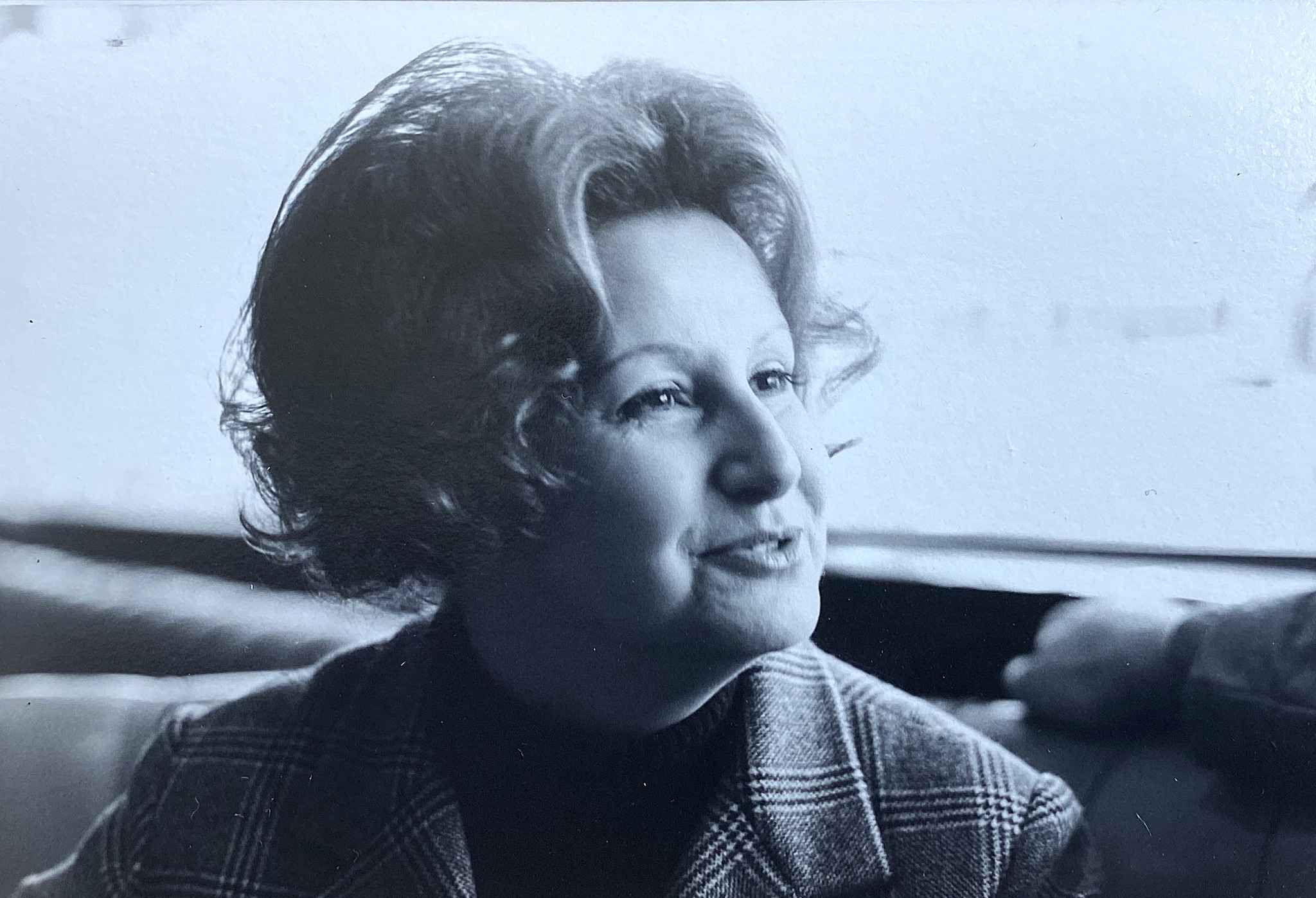
This old photograph sort of captures that spirit, I think.

For sure, it’s going in our keeper pile.

Family History

6397438261_1ab6963f48_b

If you’d ever been to Spenger’s, an old school fish place at the foot of University Avenue in Berkeley, you’d know it. There wasn’t anywhere else like it on earth much less in town.

3. entrance

It was among the few spots Cal students would go with their parents and have an okay time and feel comfortable about the experience. It was an after-game destination for generations upon generations of Bay Area families. It was a hangout for some students and a place for a special occasion for others. It was a place you could take a professor to lunch without breaking the bank (even if you did have a drink or two at the bar while waiting for a table) and without feeling too weird about it.

I once shared an unforgettable meal with history professor Bill Slottman and fellow student Jim Crosby. If you knew either Bill or Jim (or, God forbid, both), you may already be seeing in your mind’s eye what kind of experience that likely was. To say it was both hilarious and insane is an understatement of colossal proportion.

o

But for our family, the place had an even longer history and deeper experience.

In the spring of 1941, my dad graduated from high school and entered the California Maritime Academy, in Vallejo, just up the bay from Berkeley, with the intention of becoming a maritime engineer, as his dad was. In December of that year, of course, those plans, and the plans of many other young men changed. The academy accelerated its course, to provide the American fleet with the many new officers it would need to fight the Second World War. Things around the place got really intense and really serious.

One night, my dad and a buddy had a night of leave, and ventured down to Berkeley to find some fun, or trouble, or whatever sailors at liberty do, and happened to pop into Spenger’s. They met a couple of girls and the boys were looking so good in their uniforms, and everyone was just so patriotic and, you know, one thing led to another and, the next thing they knew, according to my dad, the last bus back to Vallejo was gone, without them.

During wartime, such things as missing muster carry extreme penalties.

The boys began to sob and rend their garments and Mr. Spenger, himself an old salt, took notice. He knew, by God, the serious dutch these guys were in, so he lent them one of his fishing boats to get back to the academy, which they gratefully accepted.

As a result of Mr. Spenger’s generosity and trust, no cadet blood was spilt.

Spenger_s_High_Room_Public_Dining_Room_1

My beloved Erika played in the Cal Band while an undergrad. After every home game, her family would travel up from Fresno to watch her and the Golden Bears play, then adjourn, post-game, to Spenger’s for a meal, some drinks and other traditional merriment.

That last part often included her dad Dwight jumping up on a table with his buddy Gary and leading the place in Cal cheers. I’m told no blood was spilt on those occasions either.

9. diamond

The place meant so much to us and our families as a place of singular memories that Erika and I made Spenger our son’s middle name.

True story.