

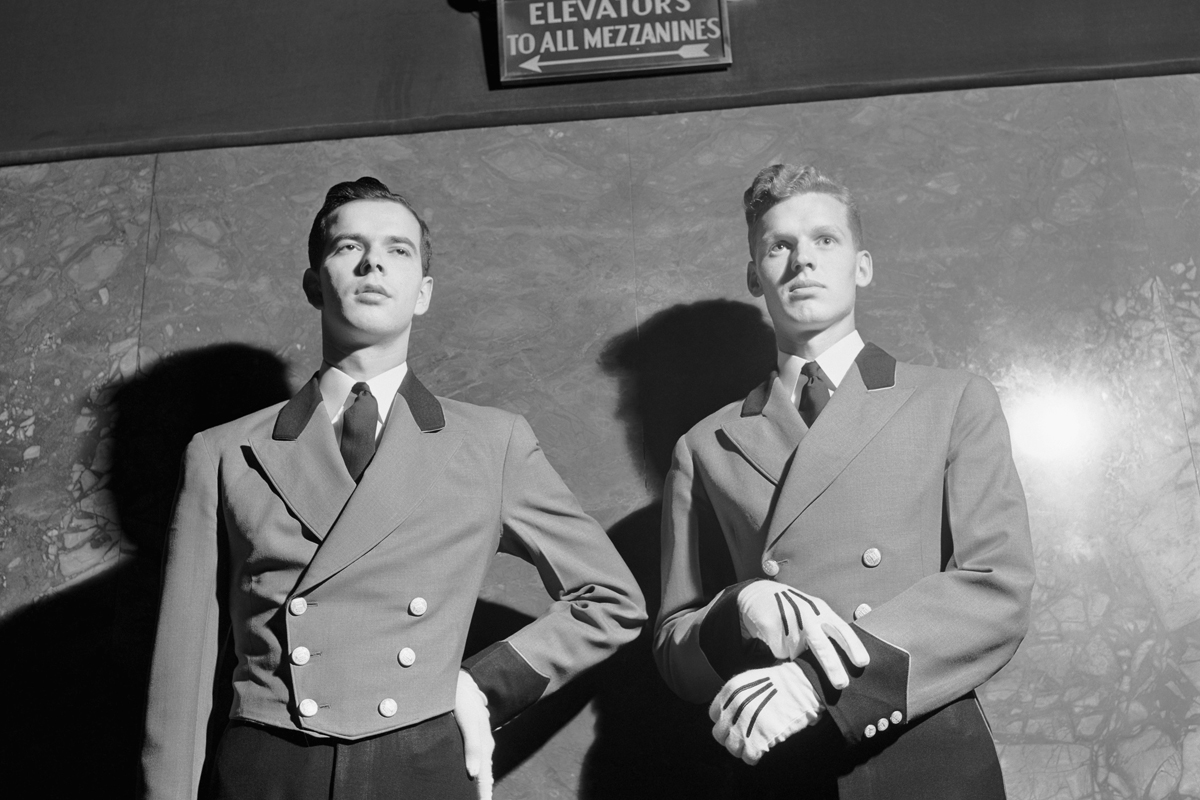
While searching for my next great adventure, I am spending some time ushering at the games of a hometown sports team, and I’ve found it a great way to be around people and a sport I love. I’ve met lifelong fans of this team, run into people I grew up with and haven’t seen in many years, and greeted visitors to our city, some coming from the farthest-flung corners of the earth.
As you’d expect, most of my time is spent helping folks navigate to seats, bathrooms and food. I’ve also gotten the chance to chatter and swap stories about our team, a team I’ve followed almost all my life, our city, the sport we’re watching, places to eat, easy ways to get around town, our singularly bone-chilling weather, music we like, team logos. You know, typical talk during a game.
It’s a fun sport to watch, at least I think so, and a fun place to watch it. Most attendees are delighted to be there, so the vibe is typically happy and chill.
Then there are those unpleasant few who make the work needlessly challenging. They are demeaning, demanding, entitled, loud and abusive. I suspect they are the same people I’ve seen exhibiting the same disrespectful behavior toward waitpeople, bartenders, shop staff, office cleaners and so on. I’m sure you’ve seen them too.
Now, I’m an old pro; I’ve long since learned how to handle situations like these without too much agita. I’ve been trained to de-escalate conflict, and I rarely take interactions like these personally. But I come from a place of distinct privilege in our society: I’m an older, white, CIS-presenting male, physically large and sometimes even imposing when I care to be, of a certain economic and social standing. Some of my colleagues don’t come from that place, so for them, it’s a distinctly different experience, more troubling, more personal. And that bothers me not a little.
The question is: What do we do about this?
First, be not an asshole yourself. Be polite and respectful, at the very least civil, to everyone. The person you’re doing business with may not be the reason you’re inconvenienced and may have no way to make that line move faster for you. In other words, you’re likely directing your frustration toward the wrong target. Also, if your aim is to speed things up, or improve some outcome, positivity is more likely to get it for you. No one will go out of their way to help someone unpleasant or abusive but just may for a person who’s polite.
Second, while most bartenders, servers and staff (and ushers) can handle things on their own, and likely have been trained to do so, it wouldn’t hurt if every so often others within earshot reminded their fellow patrons of the general obligations of living together in a civil society.
Our collective challenge is this: When we see abusive behavior, can we stop being bystanders and engage as active participants in demonstrating the kind of society we want to live in, where all people are treated with respect.
[You will note I have not identified the team I usher for. As part of my contract, I have agreed to refrain from identifying the team in my social media. Contract fulfilled.]
 Speaking Plainly
Amen! We all need to be kind to each other and then help those being mistreated.